Deep dives across the energy transition — written from inside the industry we convene.

ENTSO-E's final report concludes that the Iberian blackout was the result of multiple interacting factors which unfolded over very short timescales, leaving limited time for effective operational response. If you manage generation, operate a network or are about to connect a large load, that is your engineering problem, and your opportunity.
Ask a leading reasoning model whether you should walk to the car wash 50 metres away and it will say yes. Before you ask, your job is to classify the problem. Manuel Crespo, founding partner of Nodos, brought a triage rule that fits in two lines to RENMAD UsefulAI 2026.
You keep reading that data centres are going to drink Spain's electricity dry. At a RENMAD UsefulAI 2026 panel in Madrid on 2 June, the panellists turned that on its head. A consumer that runs all 8,760 hours of the year is exactly what is missing from a system that has already clocked more than 900 hours in 2026 with the price at zero or below. The constraint lies at the grid node and in flexibility. The strategic asset is the hour.
Twin batteries from the same manufacturer, with the same power rating, the same connection point and the same warranty, can finish the year up to 30% apart in revenue depending on who operates them. The storage panel at RENMAD UsefulAI 2026 put a number on that gap and showed where it is won — in the small print of the contract you sign with your operator.

In its case study at UsefulAI, ID Energy Group spelt out exactly what its "triple" counts: the numerator, the period, the denominator and the point in the process where counting stops. Hold on to those four, because they will be missing from the next productivity multiple someone puts in front of you.

Four companies that sell technology to the energy sector, three of them in artificial intelligence, shared a stage to talk about autonomous agents. The first to speak had come to take apart the premise of his own panel. If a machine is going to produce the number you use to decide where your money goes, what matters is that it produces the same number tomorrow.

Two of the three speakers on the trading panel at RENMAD UsefulAI 2026 used the words "black box" about their own product. The third says he does open his, yet he ended up offering something else: the twelve-month result. Banks do ask for the algorithm's manual, but what they take home is the track record of the company that runs it, and that record now sits in the credit file alongside the plant builder's. If you finance or contract storage in Spain, you are looking at a new asset, and one that in this market is still waiting for someone to measure it and someone to certify it.
The European Union has a list of recommendations for research institutions that want to use artificial intelligence, and one of them is very specific: "create your own model". M. I. González Cuenca said so in Madrid on 3 June. Her own institution, the Joint Research Centre, had already done it in 2023, and the tool the whole Commission now uses was later built on that work. What matters to you is how they did it: a control layer in front of third-party models.

Asked what AI had changed in his product, Tetrax's CTO answered with a no: a German investor's decision not to put the money in. If you are building the business case for AI on how many more projects you will be able to look at, you are measuring the smaller saving.
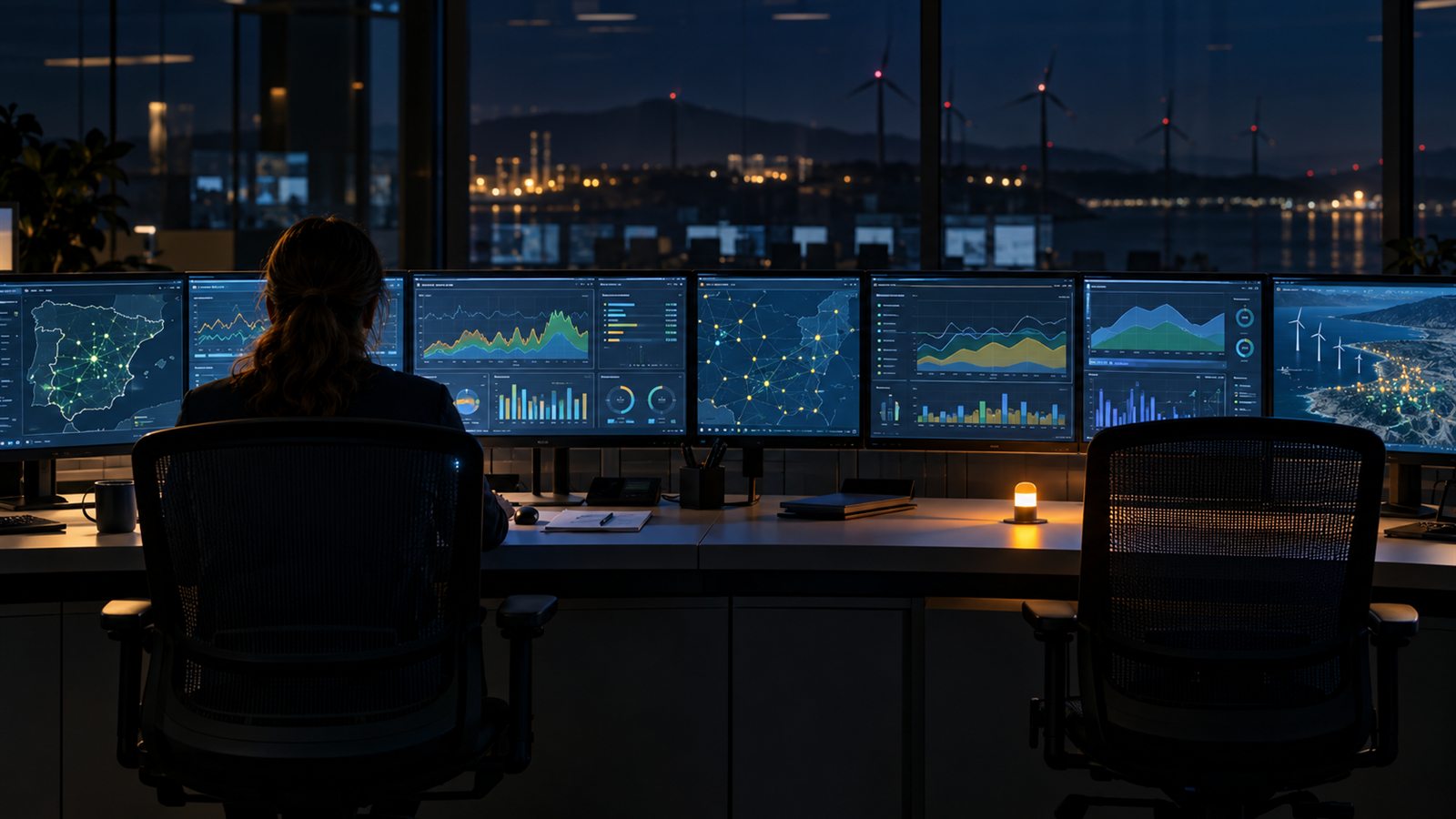
Naturgy is putting a copilot into the SCADA at its renewables control centre. It watches you operate and corrects you when you are about to act inefficiently, but the final say stays with you. Javier Marín, who works on digital transformation and analytics in the company's renewables division, explained how at UsefulAI 2026. If you run a fleet with one supervisor per plant, the way Naturgy has set it up is worth a close look.
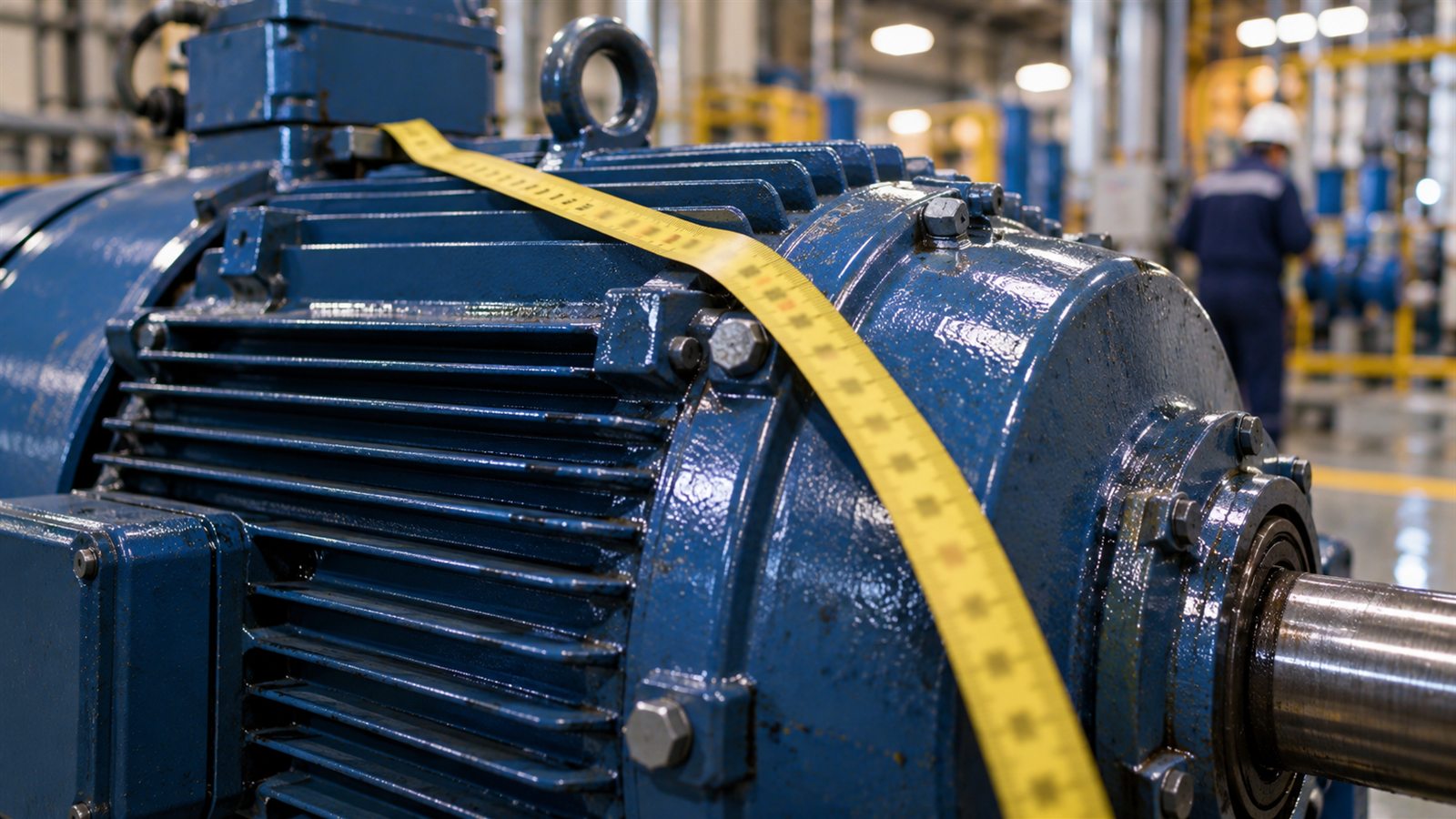
The independent aggregator has been in the BOE, Spain's official gazette, since 12 February 2026. The method for proving how much flexibility you have delivered went out to public consultation in August and has still not been approved. If you shift industrial demand, that method decides what you get paid.
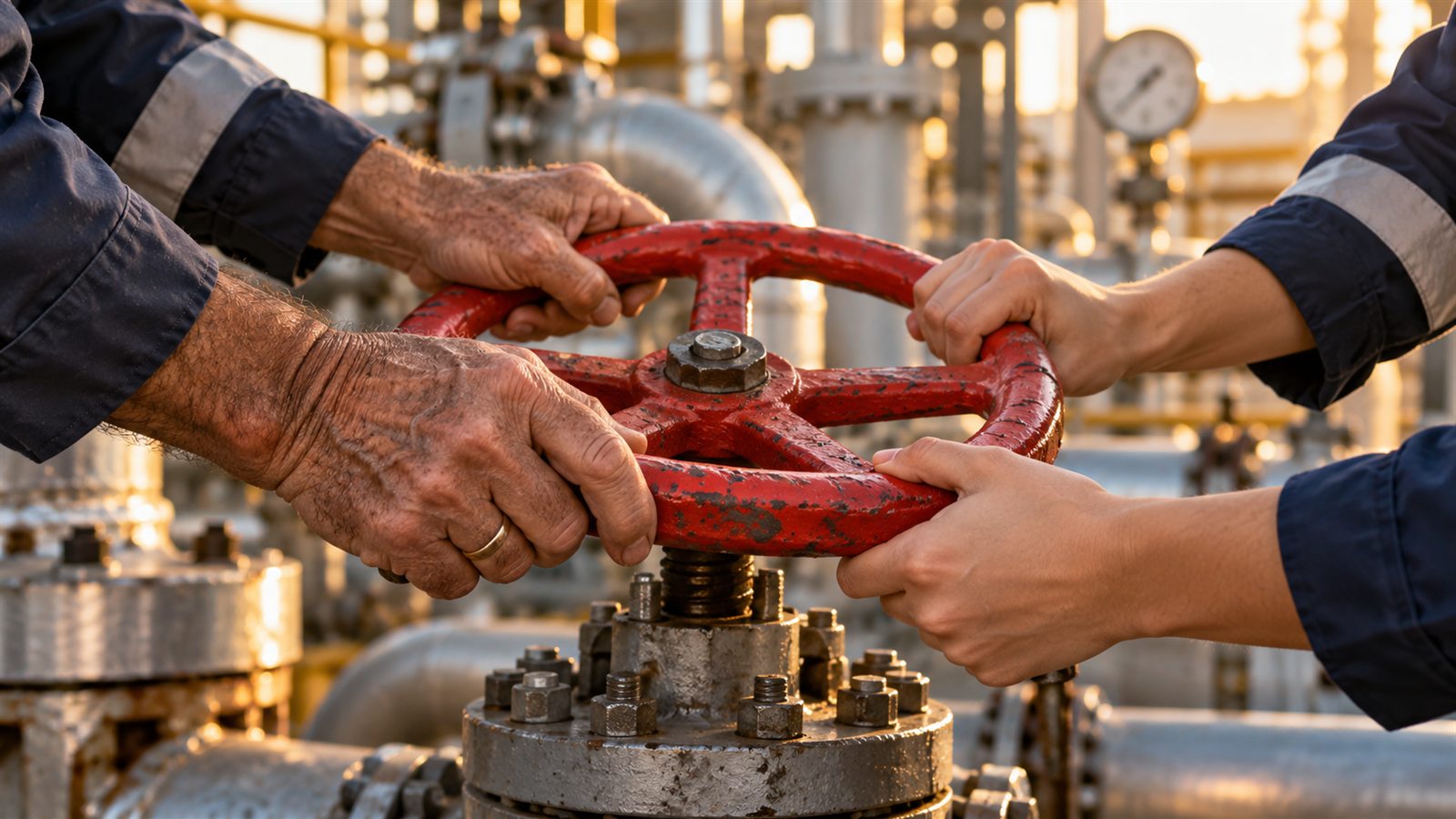
At RENMAD UsefulAI 2026, Manuel Járrega, who introduced himself as the person who runs advanced process control for Schneider Electric across the whole of EMEA, gave you the real reason simulation is making its way into your plant: the people who know how to run it are retiring, and very few are coming up behind them. First the digital twin trains the newcomers, and then advanced control saves you from needing them. He said it in so many words: "it's the substitute for the operator".
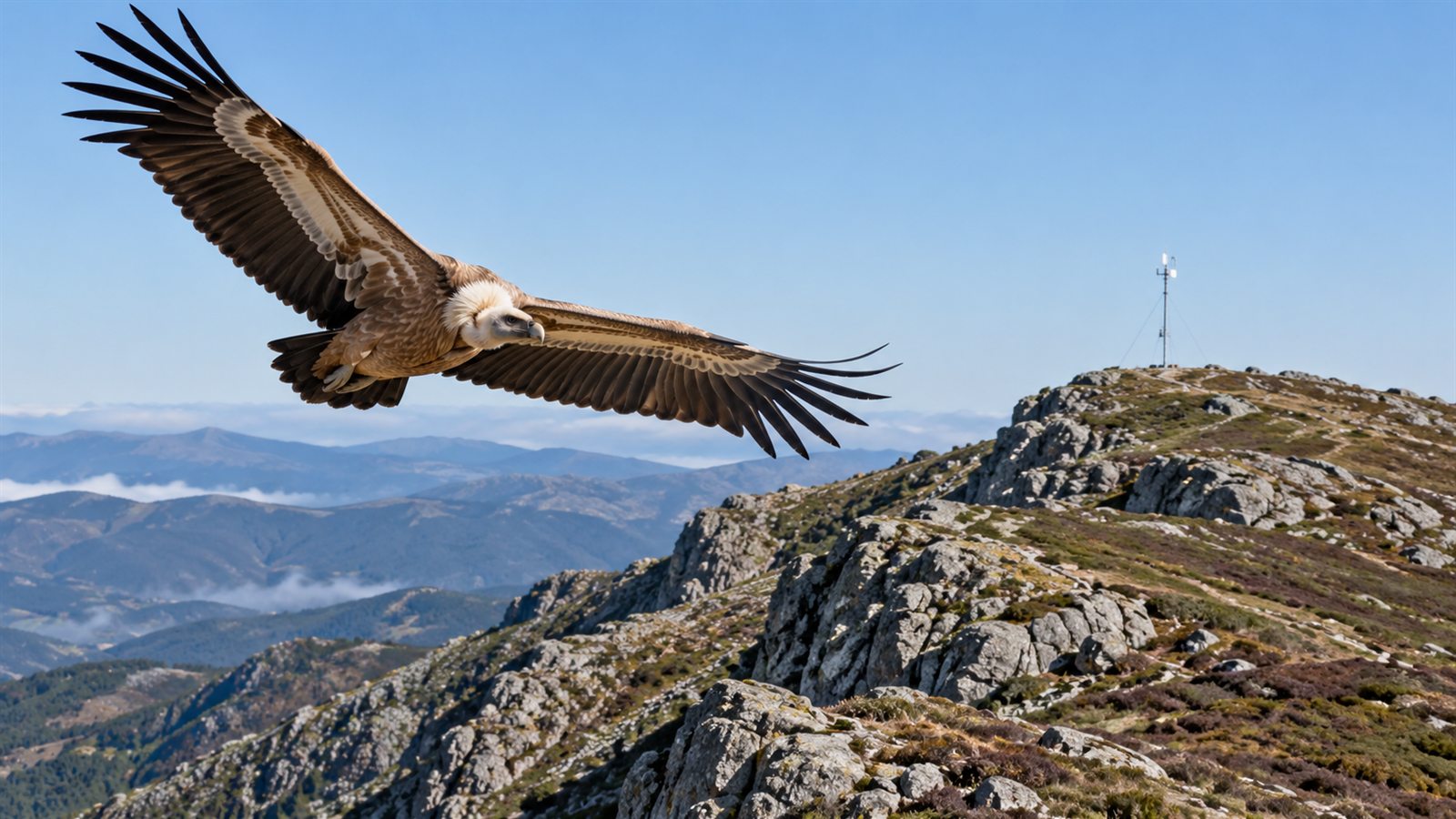
Computer vision for bird protection reached the Spanish wind market as a condition of the environmental impact statement: a cost that lands on you after the permit has been granted. One variant changes the maths. Installed a year before you file the environmental study, it produces the full annual cycle of site-specific data that the permit file requires and often lacks.
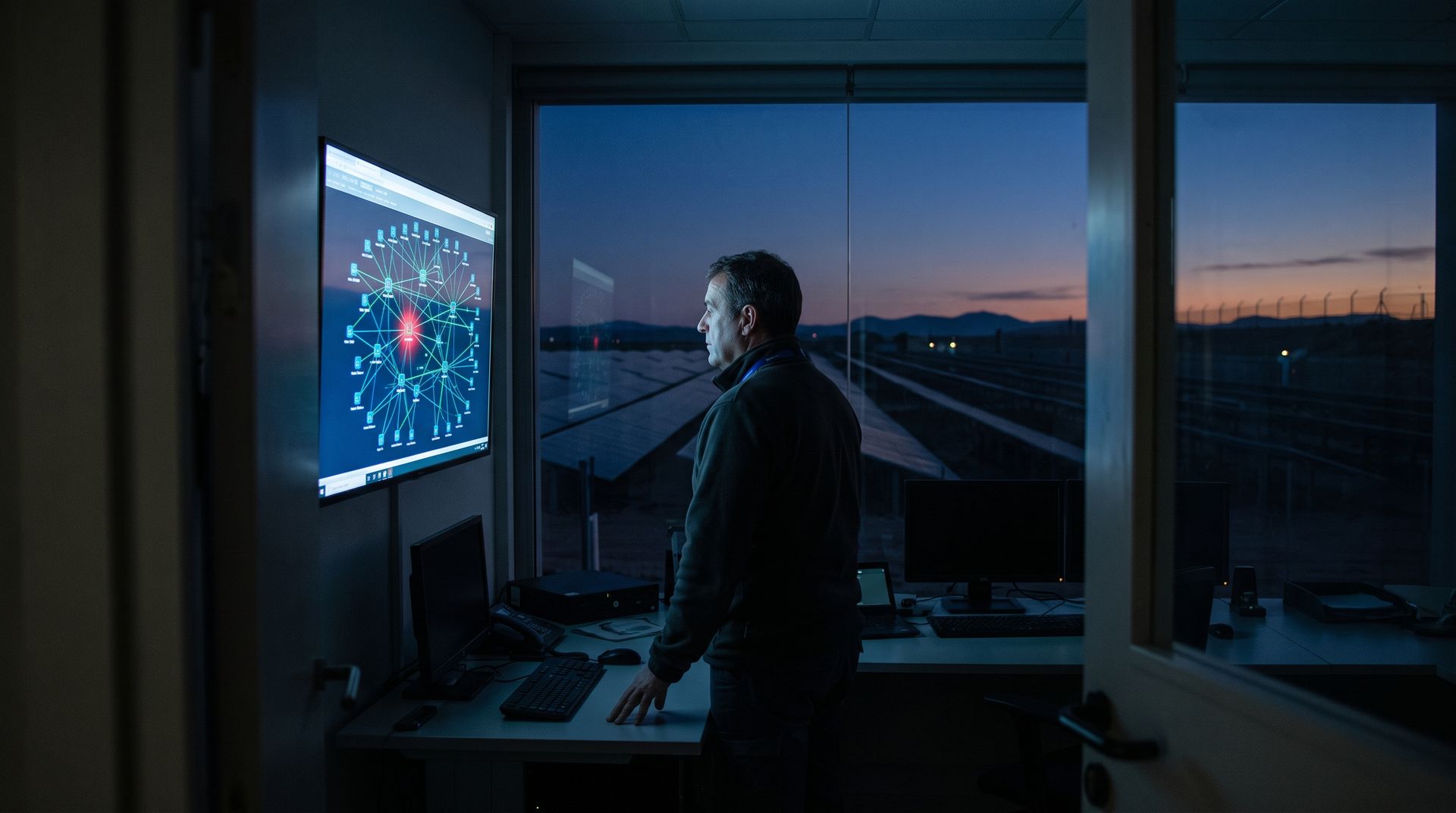
The three things most often said about security at a renewable plant survive neither the attacks of recent years nor the rules now setting deadlines in Europe and Latin America. Read properly, they make a to-do list for getting started
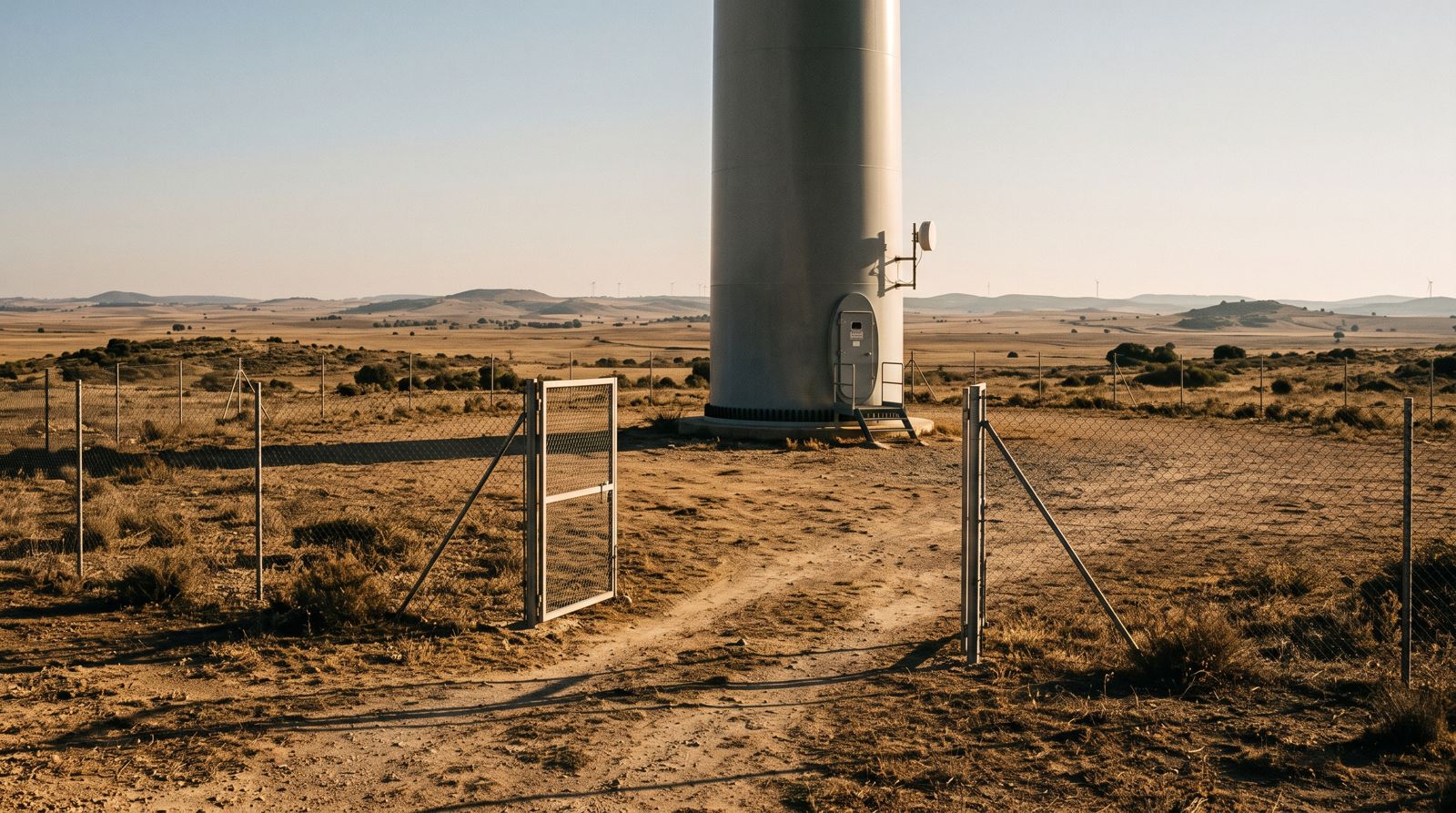
Many of the weaknesses exploited in recent attacks on wind and solar farms can be fixed without rebuilding the plant. ATA Cybersecurity sets out ten checks, in the order to work through them, and the timetable on which countries are starting to demand measures like these
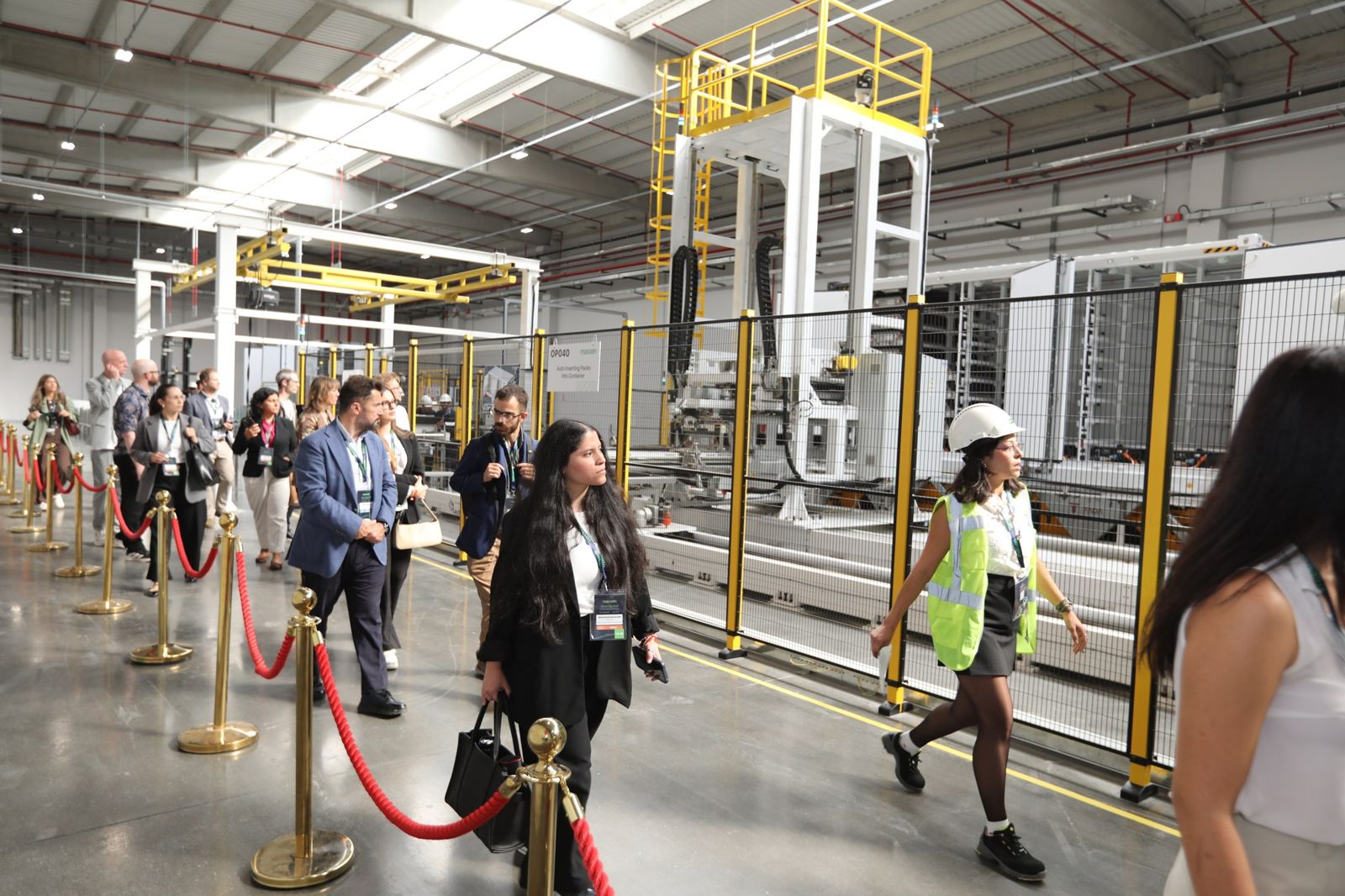
More than 260 people from across Europe travelled to a factory in Türkiye's Aegean region to watch batteries being built. What they were really inspecting was a storage market on its way from pilots to portfolios, and the question of who gets to supply it.
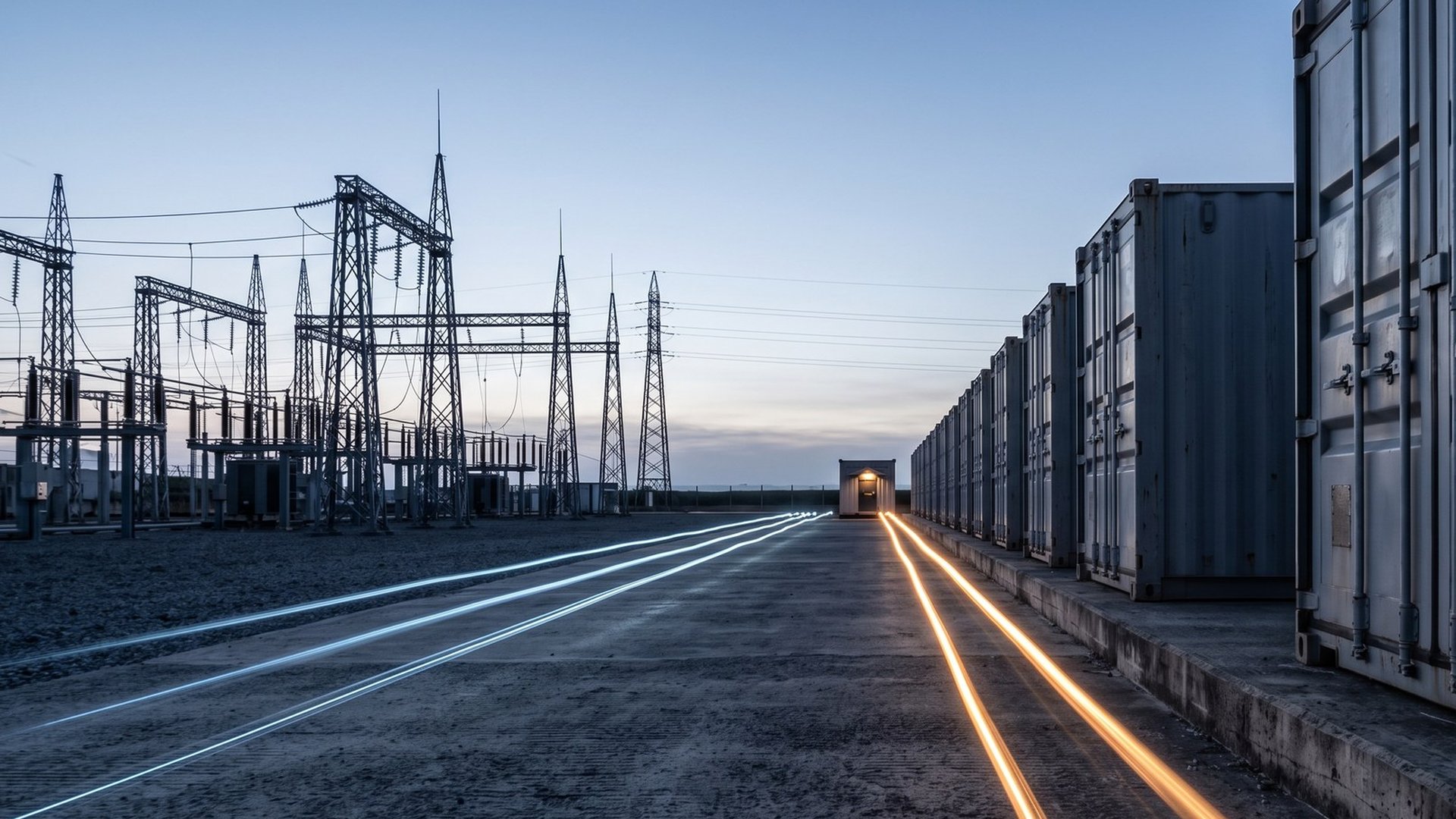
Spain's batteries already make money, and nobody at RENMAD Talks BESS argued otherwise. The question that ran through the day at Torre PwC was how much of that money has to be handed over, and to whom, before a bank will lend against it
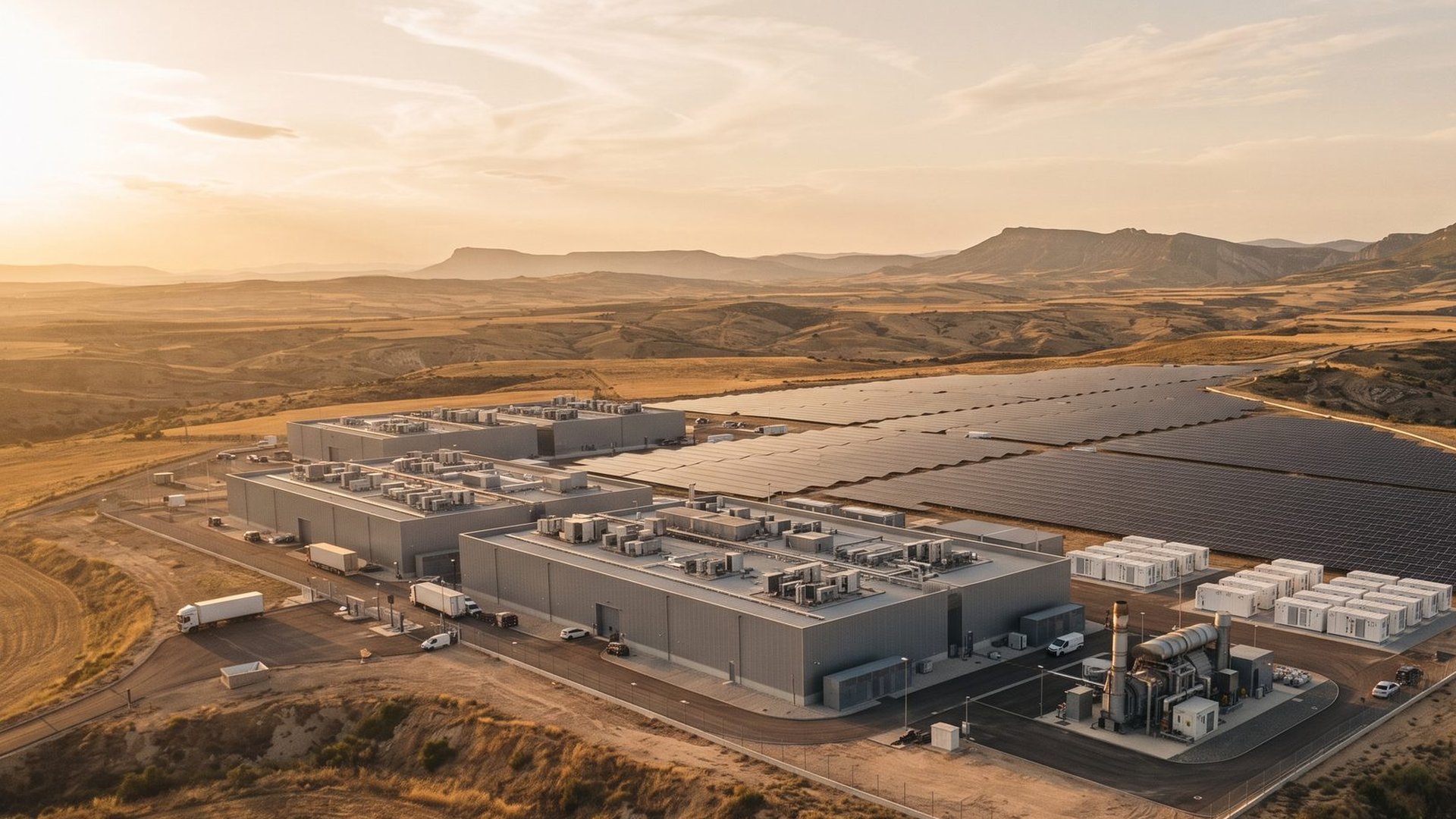
A Spanish data centre can power itself if the grid is late, and nobody at RENMAD Talks Datacenters Off-Grid ruled it out. The sharper point came later: the island that is easiest to finance is the one that comes with a return ticket
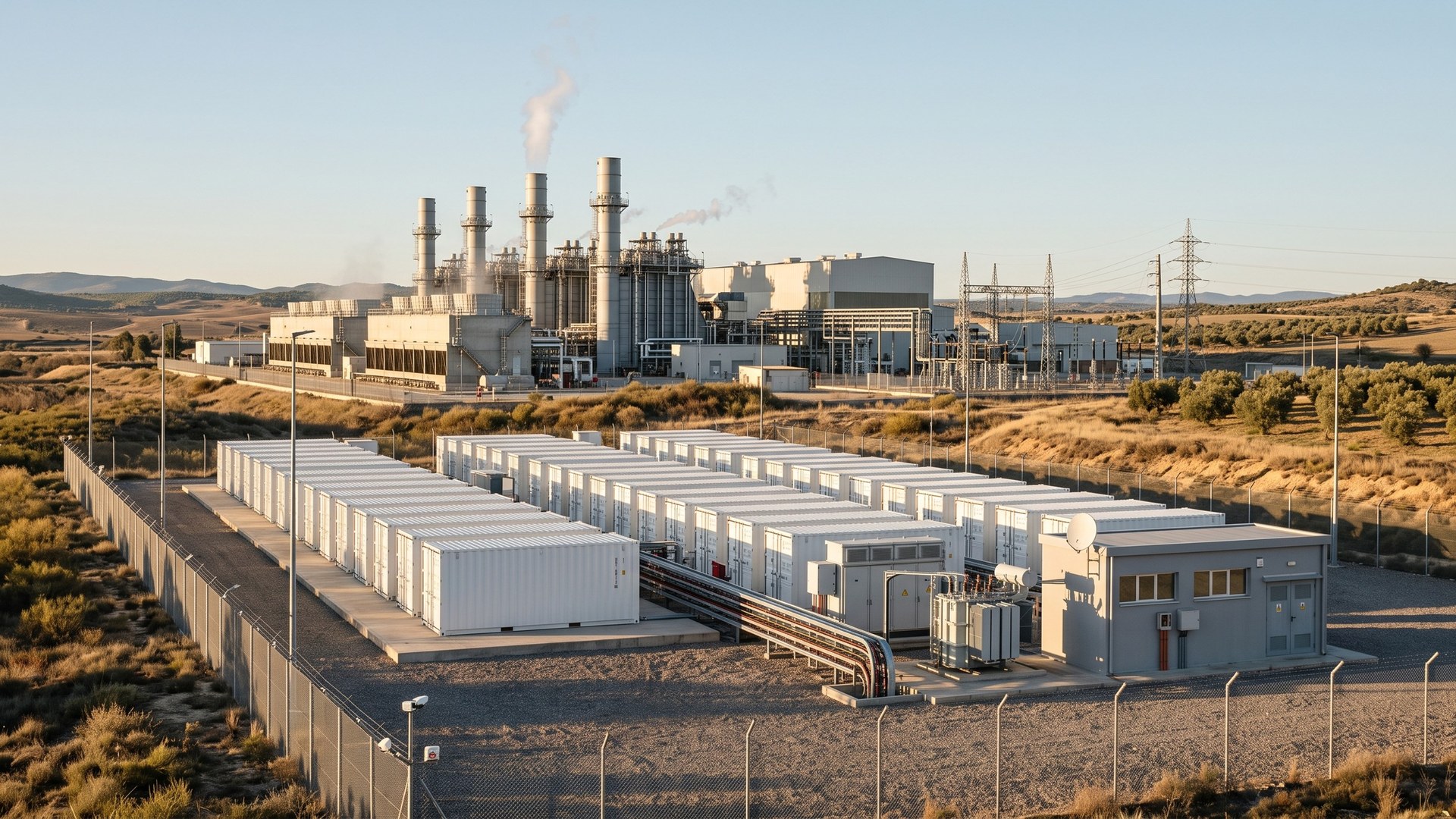
Brussels has said yes. Now the government decides when the mechanism switches on, how much firm capacity it buys, what each megawatt is worth and who gets paid. For batteries and pumped hydro, every one of those cuts is a clue to where the money will be
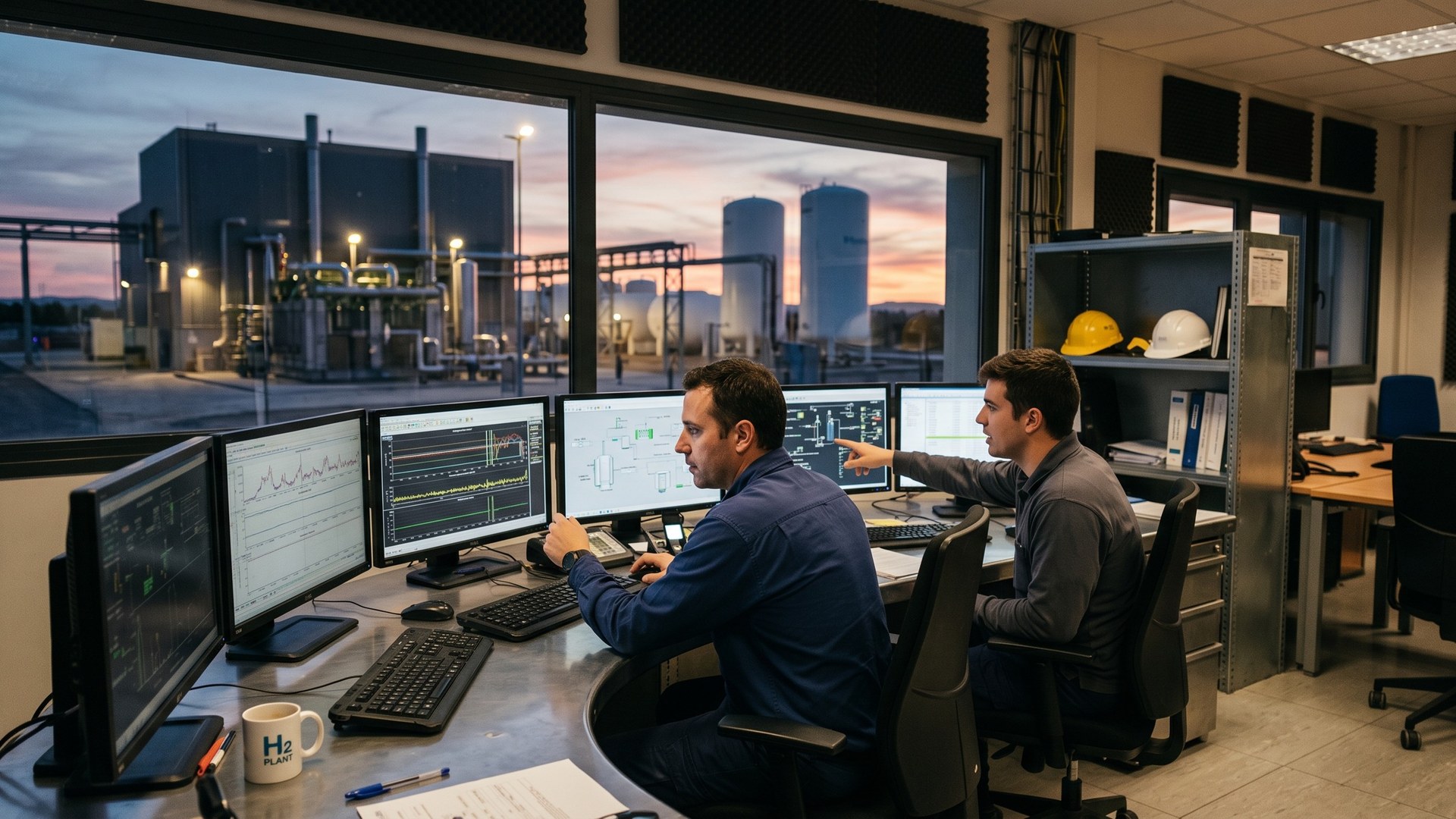
With the money for Onuba and Petronor now on the table, Spain's first large hydrogen plants will win or lose their margins in operation: in how load is shared between stacks, how shutdowns are avoided and at what hour it pays to produce

Spain is ordering biomethane to scale. But every plant leaves behind a substance whose legal identity — decided by law, not chemistry — will make or break the business case. A regulatory thaw is now tilting it from waste towards resource.
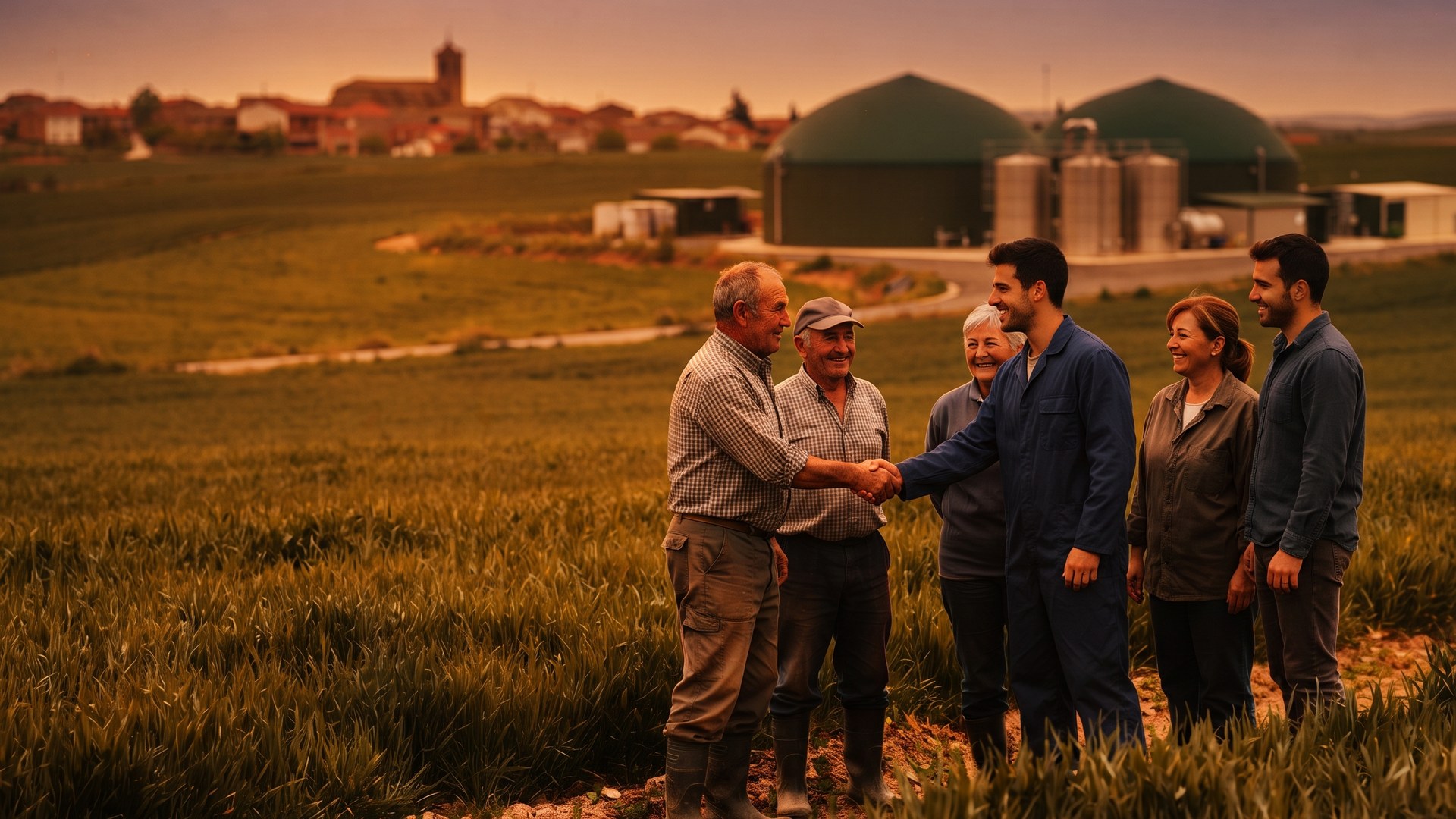
In rural Spain, social licence has quietly become a financial metric. The projects communities want get built faster, cheaper and with easier financing — and biomethane holds the best hand of any renewable to earn it.
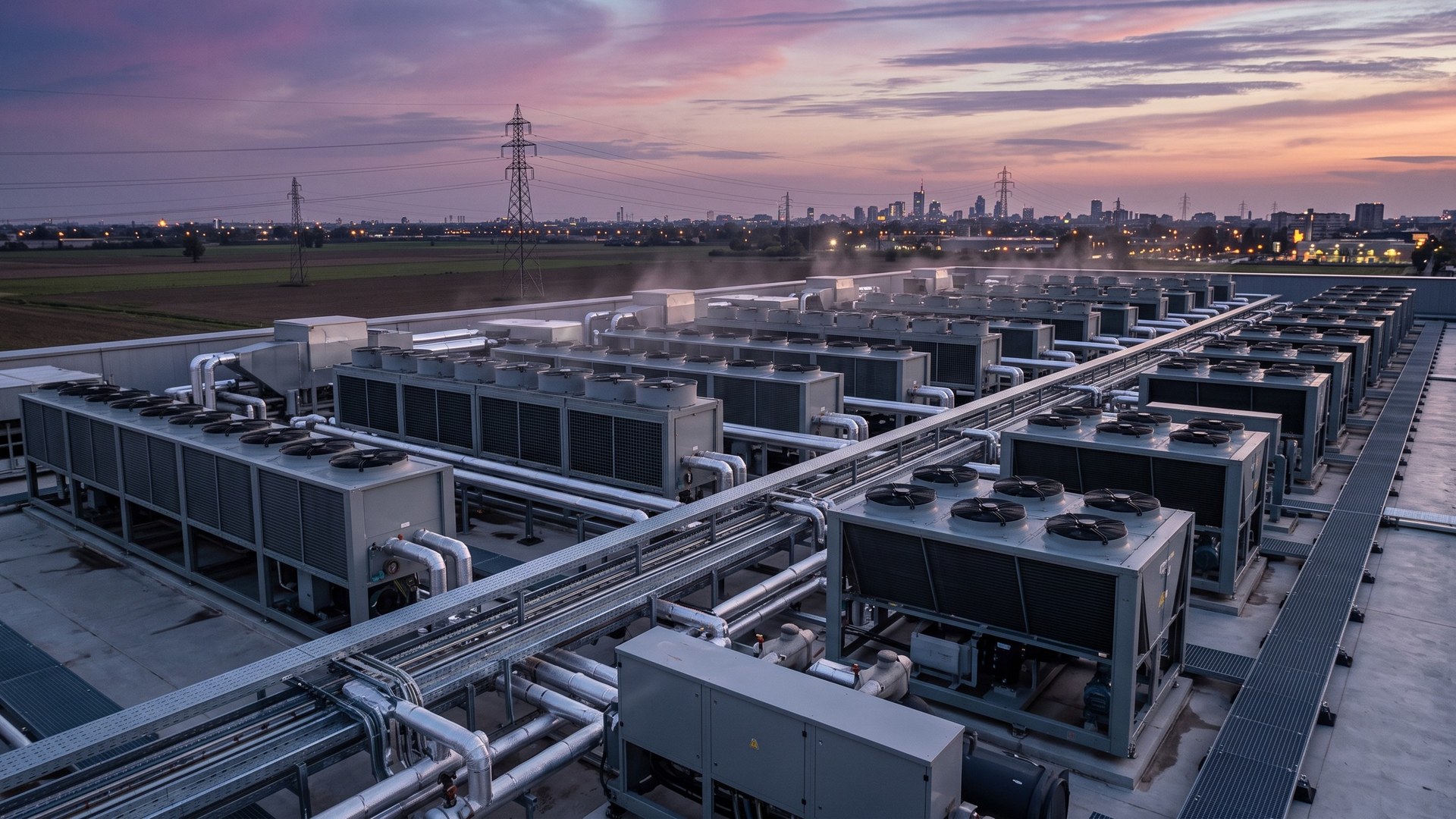
Italy is sitting on 96 GW of data-centre connection requests and a grid that peaks near 60. Now that permitting has been compressed, the number separating a fundable project from a stranded one is a ratio most boards have never had to read.
A RENMAD webinar on AI in battery storage revealed why the trades that pay best are the ones that vanish before dawn — and why no human desk can keep up.
Cells and inverters are getting cheap. What now decides whether a battery project lands on time is the concrete, the cabling and the fire rules — and who signs for all of it.
For years Europe's data centres clustered in four saturated capitals. Now the money is moving south — and Italy has just given it a reason to stay.
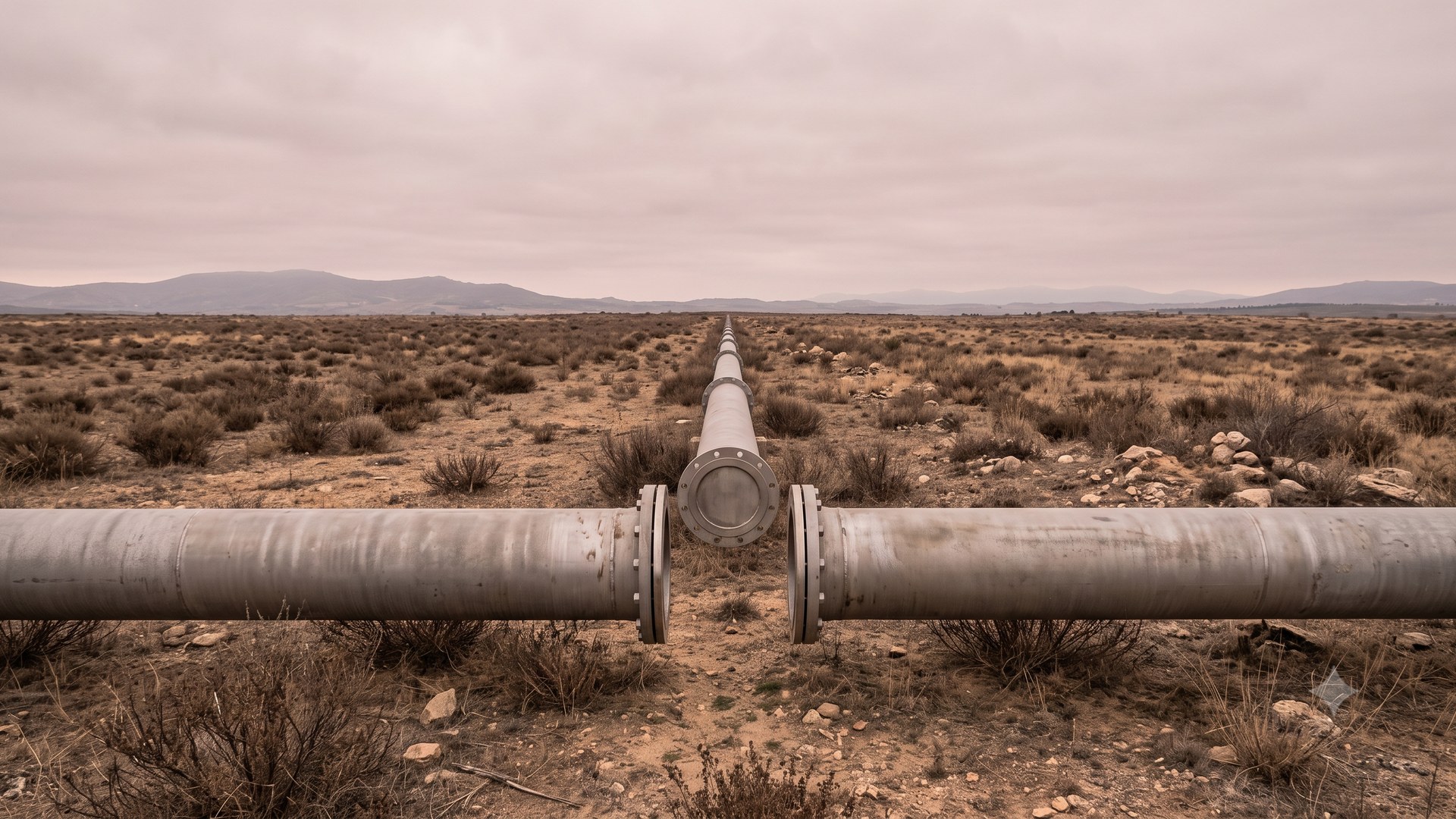
Europe is building a cross-border market for green gas on top of a registry that still isn't switched on. The companies that get the plumbing right will own the trade.

Renewable ammonia could turn Spain's sunshine into fuel for northern Europe's ships — if demand signals, not just engines, show up.
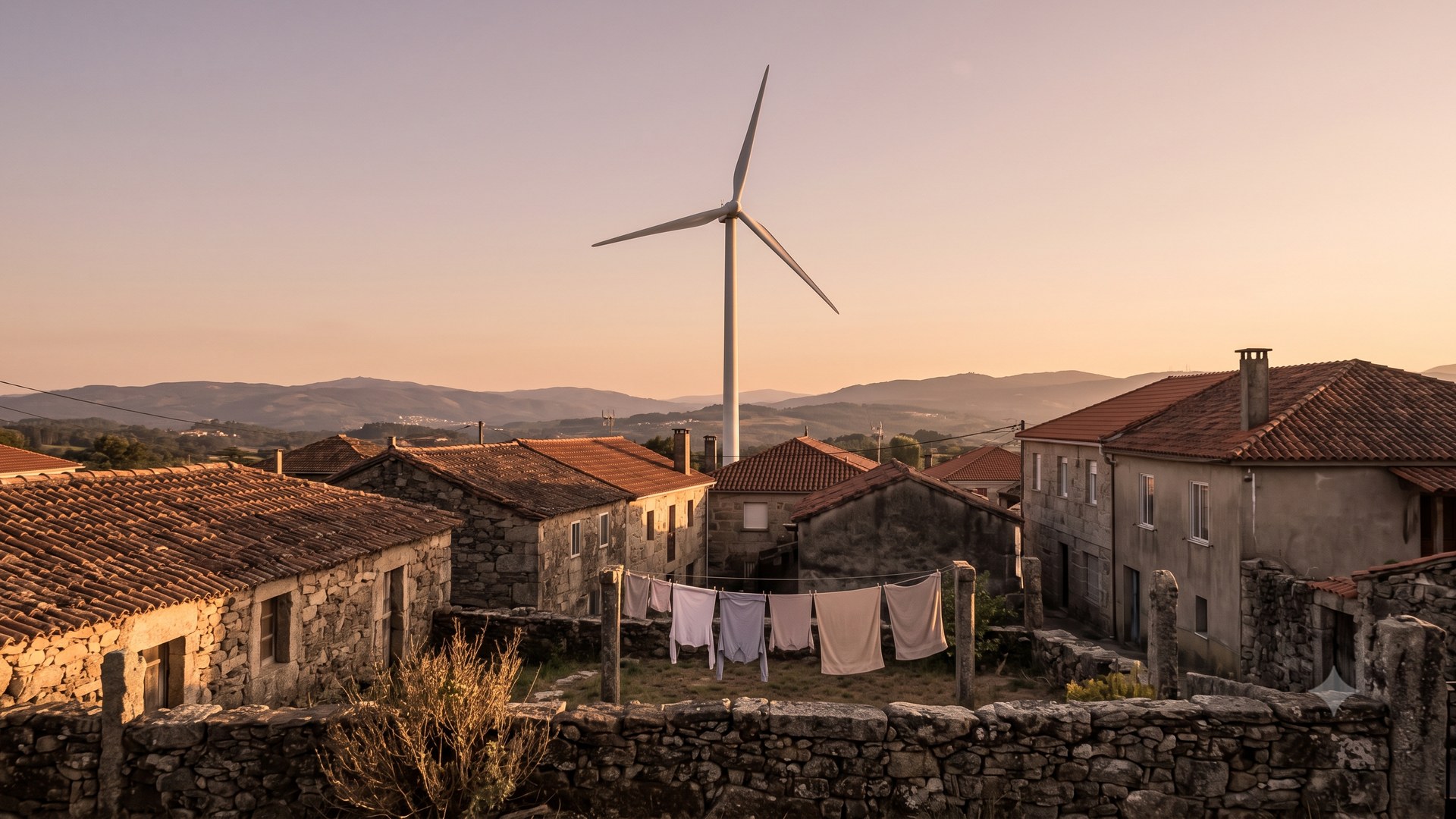
Spain is turning the people who once fought wind and solar farms into the people who help pay for them. A quiet financing tool is making local resistance profitable for everyone.

Spain's blackout was a grid-strength problem, not a renewables verdict. The fight now is over who pays for the muscle — and whether a new market beats €600m of steel.
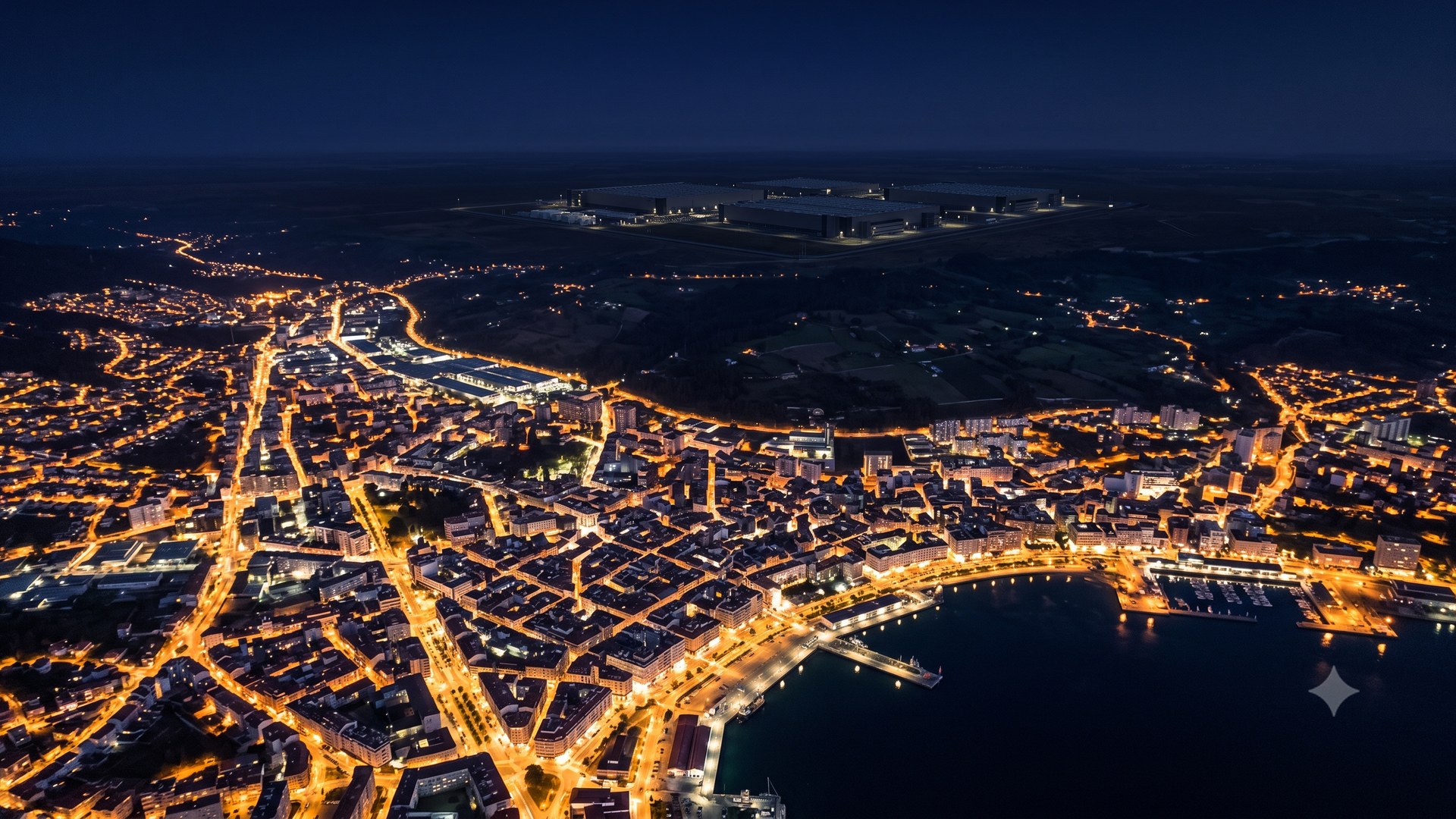
Everyone is transfixed by the giant AI training factories rising in Spain's empty corners. The money, three data-centre executives told an ATA Insights webinar, will be made much closer to home.
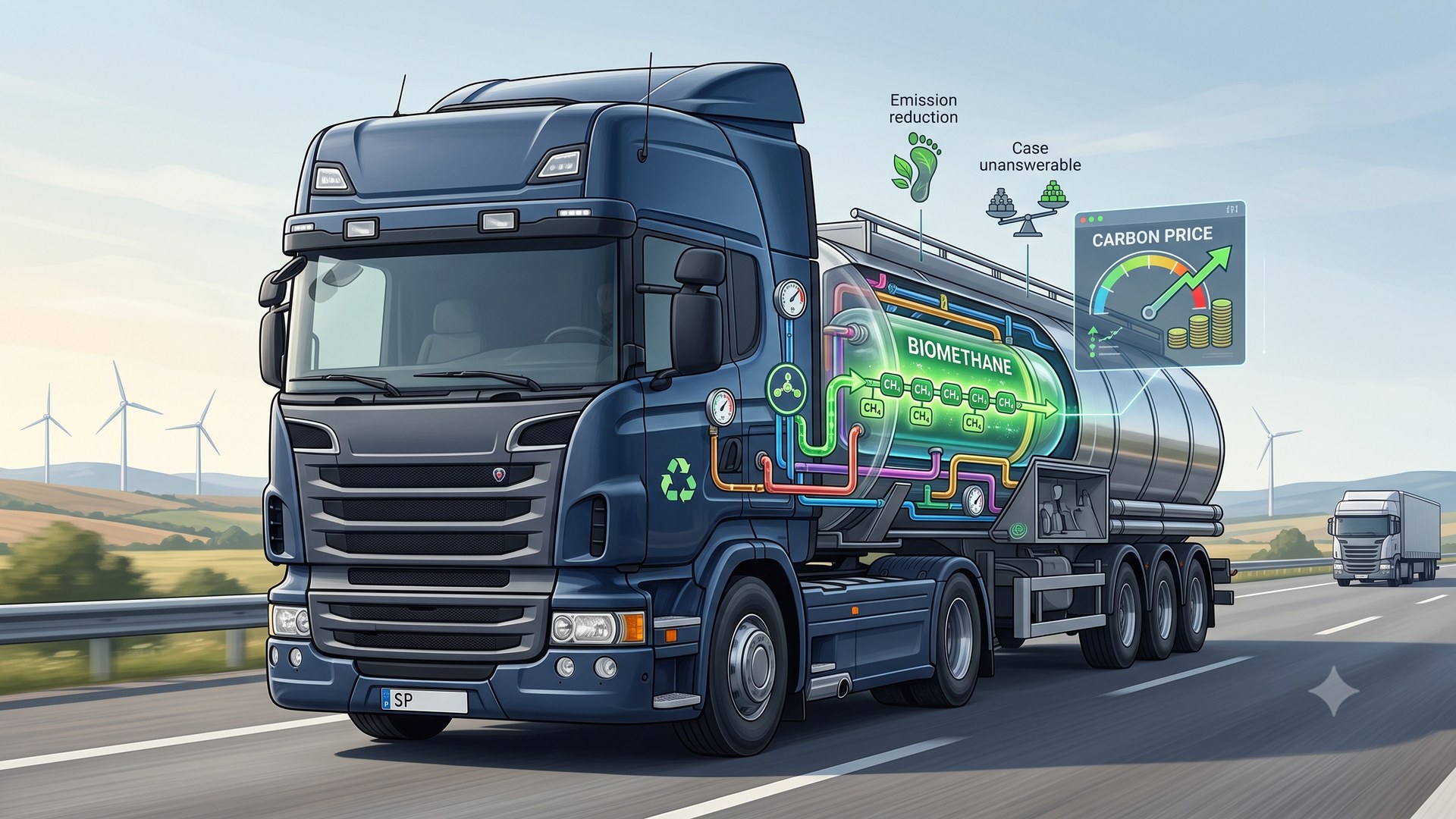
Spain's heavy lorries can decarbonise today without changing the engine — biomethane is already in the tank, and a carbon price is coming to make the case unanswerable.
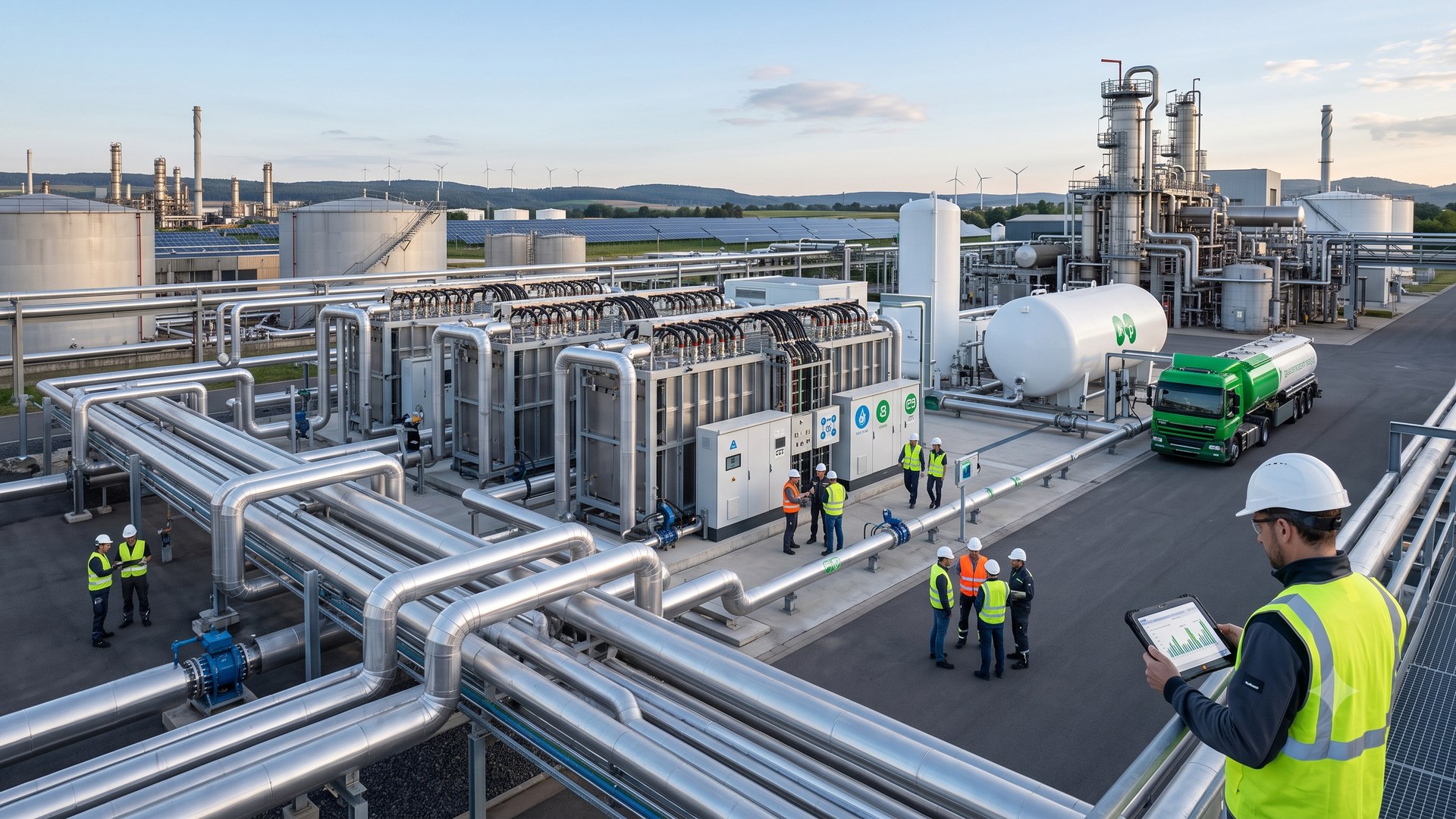
Europe's green-hydrogen survivors are not the ones with the loudest press releases. They are the ones that found a buyer, a rule to lean on, and money that arrived on time.
Two project-finance banks admit no hybrid solar-plus-storage project in Iberia has yet been lent against. The counterparty that unlocks the money is the one nobody has fully priced.
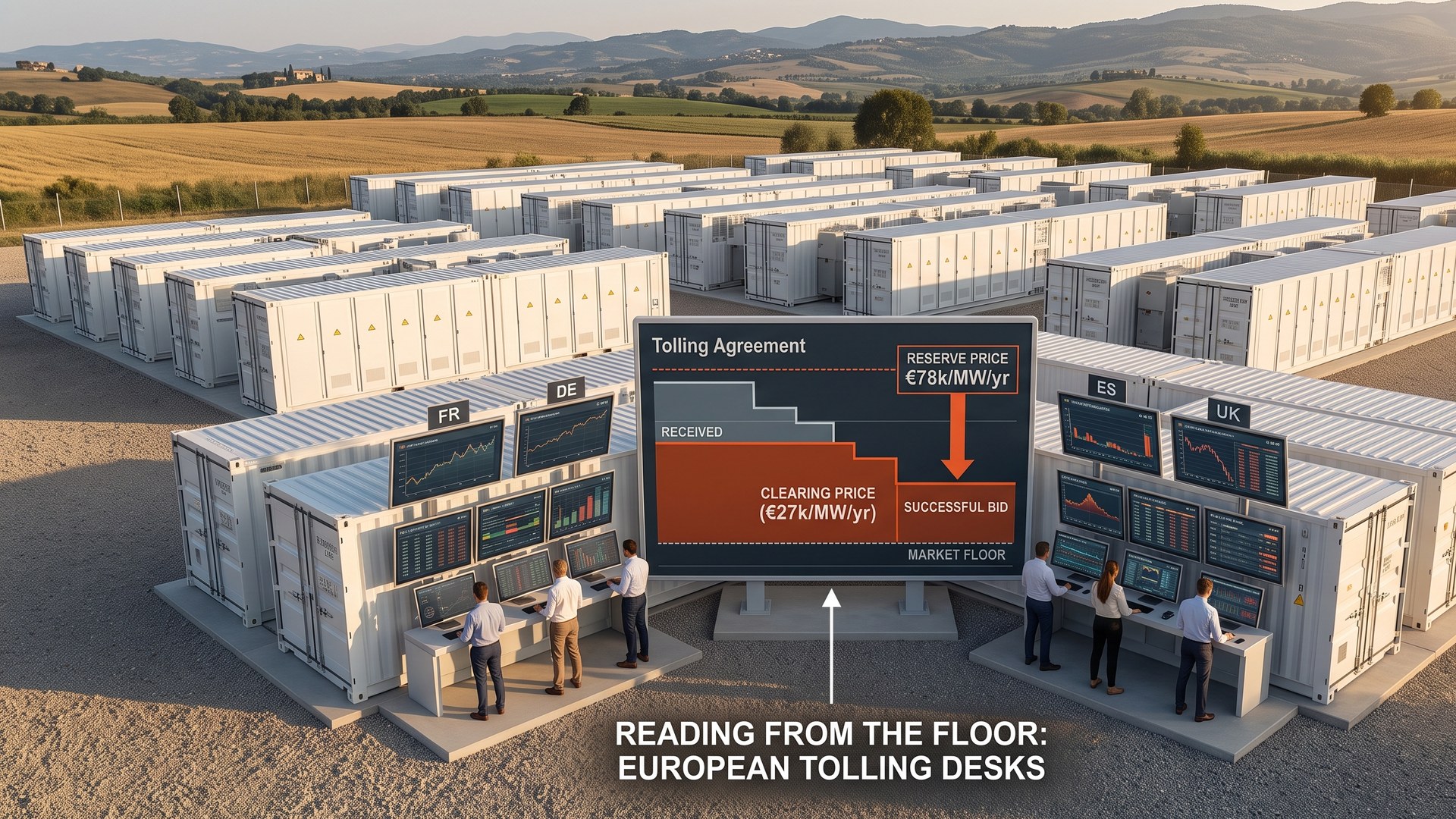
Italy's first storage auction cleared at a third of the reserve price. That was not a mistake — it was a market finding its floor, and every tolling desk in Europe is now reading from it.
Data centres have asked Spain's grid for 19 gigawatts of power. Much of that demand does not really exist — and a wonkish new rulebook is quietly trying to tell the real from the imagined.
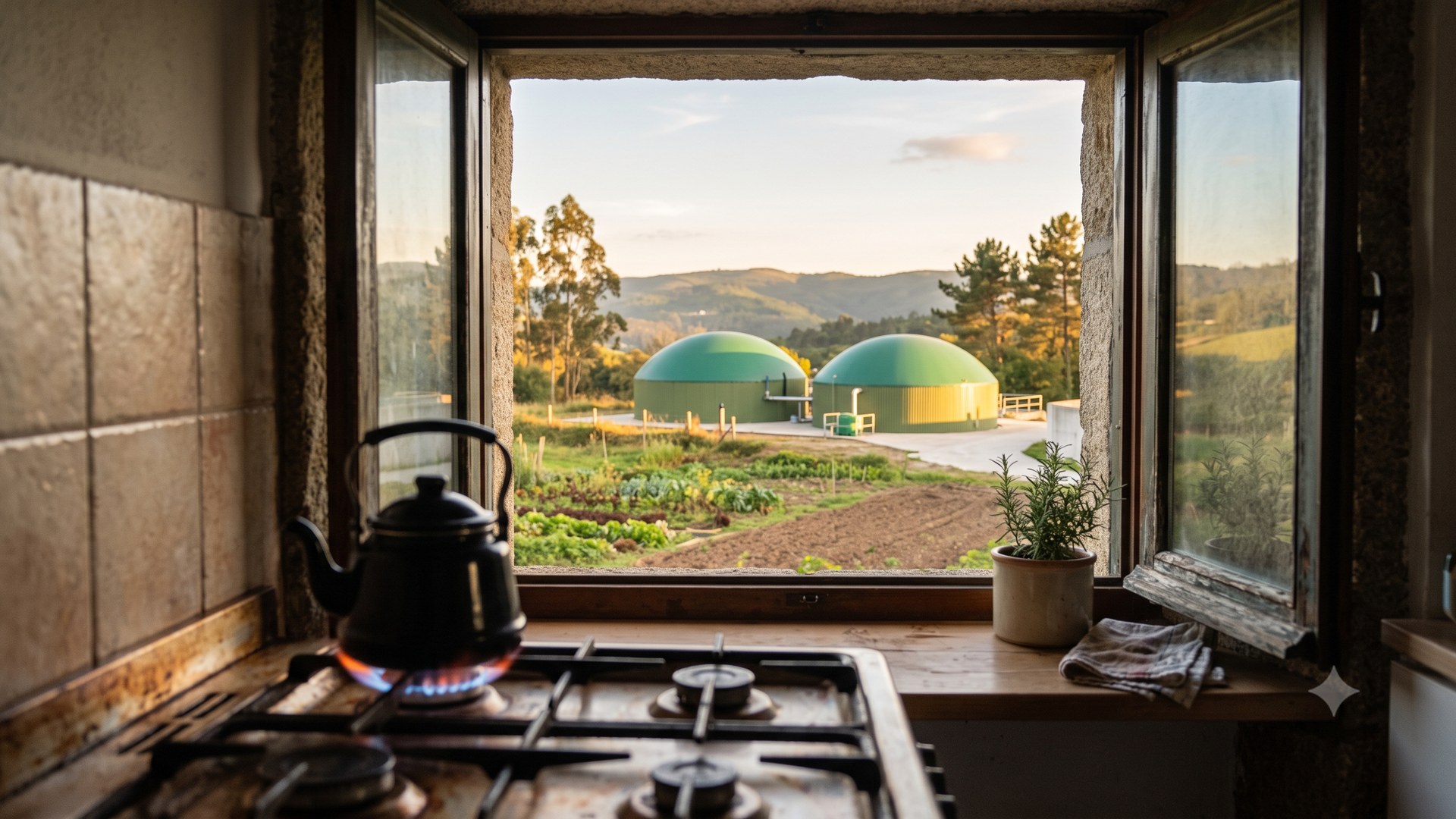
Spain's biomethane boom keeps stalling at the town-hall door. The fix is not better engineering — it's a better conversation.
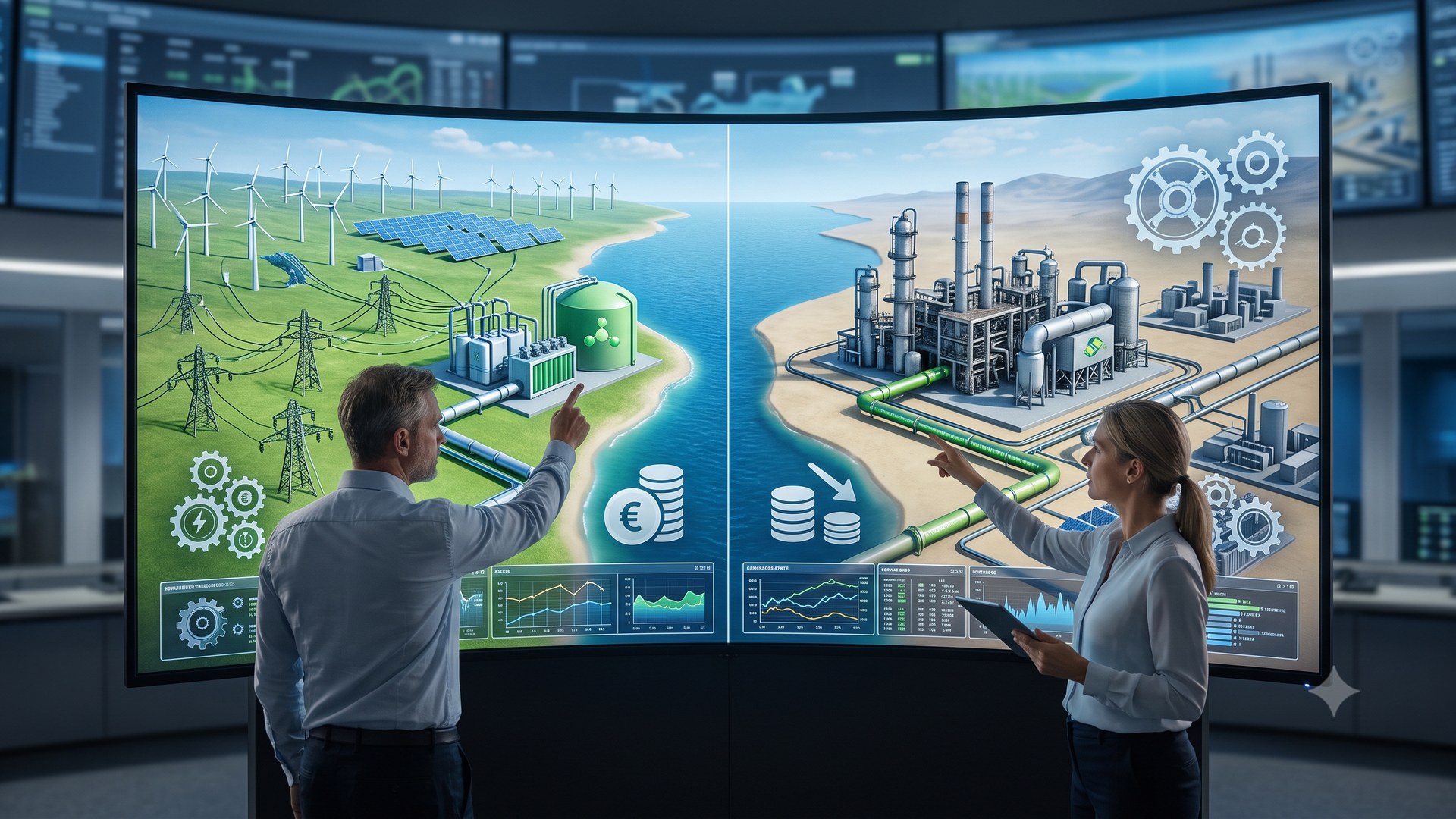
A war in the Gulf has doubled gas prices and reopened Europe's oldest hydrogen argument: pay €6 for the green molecule, or €2 for the low-carbon one?
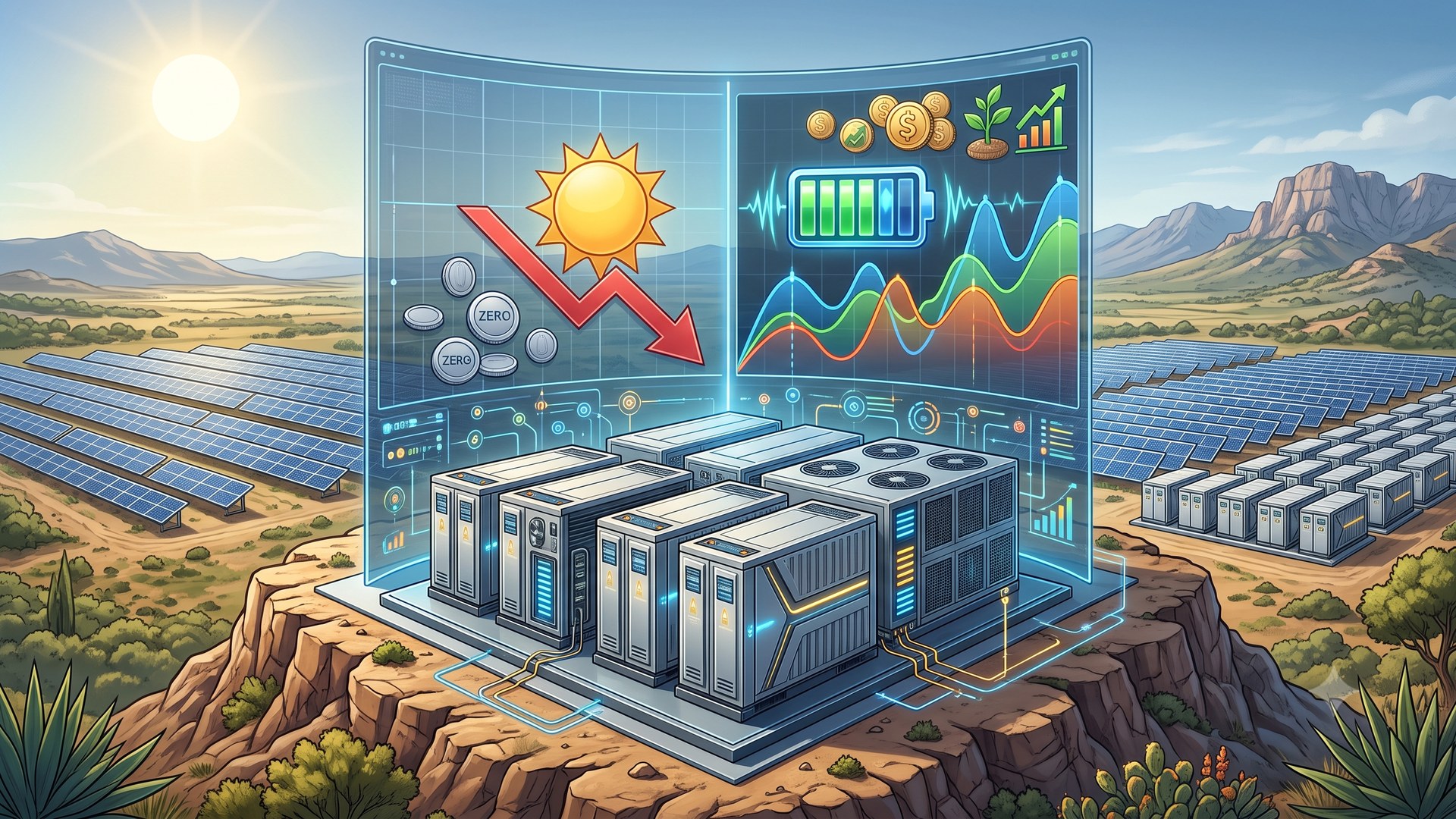
Spain's flood of zero-price hours is punishing fixed-output solar. A battery turns the plant into something that trades the swings — and that changes the sums for investors.
Spain treats a battery as both a power plant and a factory. That means paying twice to get on the grid — and the new access rules and saturation maps don't fully fix it.
Spain has the land, the sun, the sea-cables and some of Europe's cheapest clean power. Whether it becomes the continent's next data-centre hub now turns on a duller question: can it get the things connected to the grid?
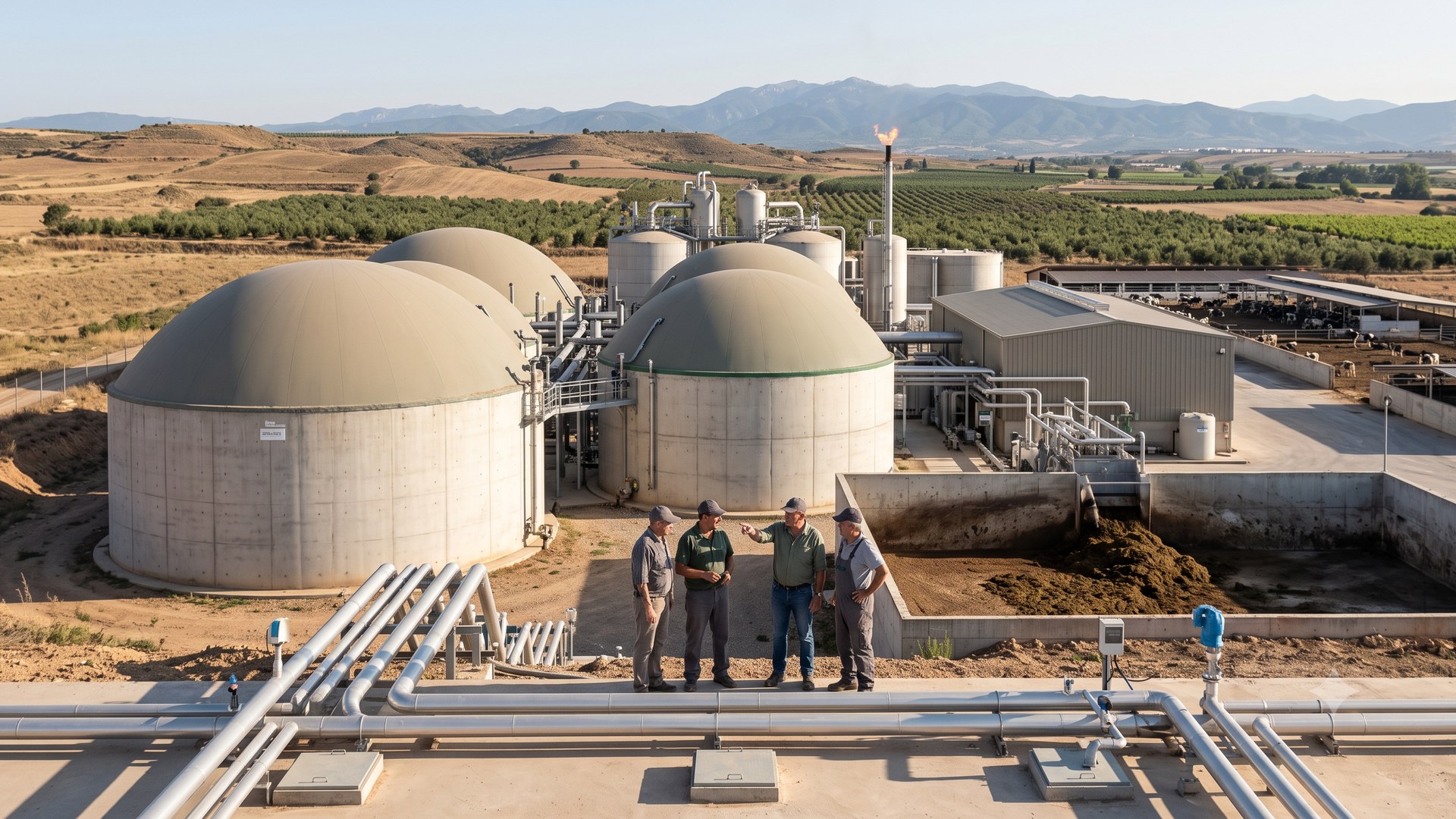
A giant digester rising in Lleida turns a region's manure problem into gas, fertiliser and jobs — and shows what Spain's biomethane boom could look like everywhere.
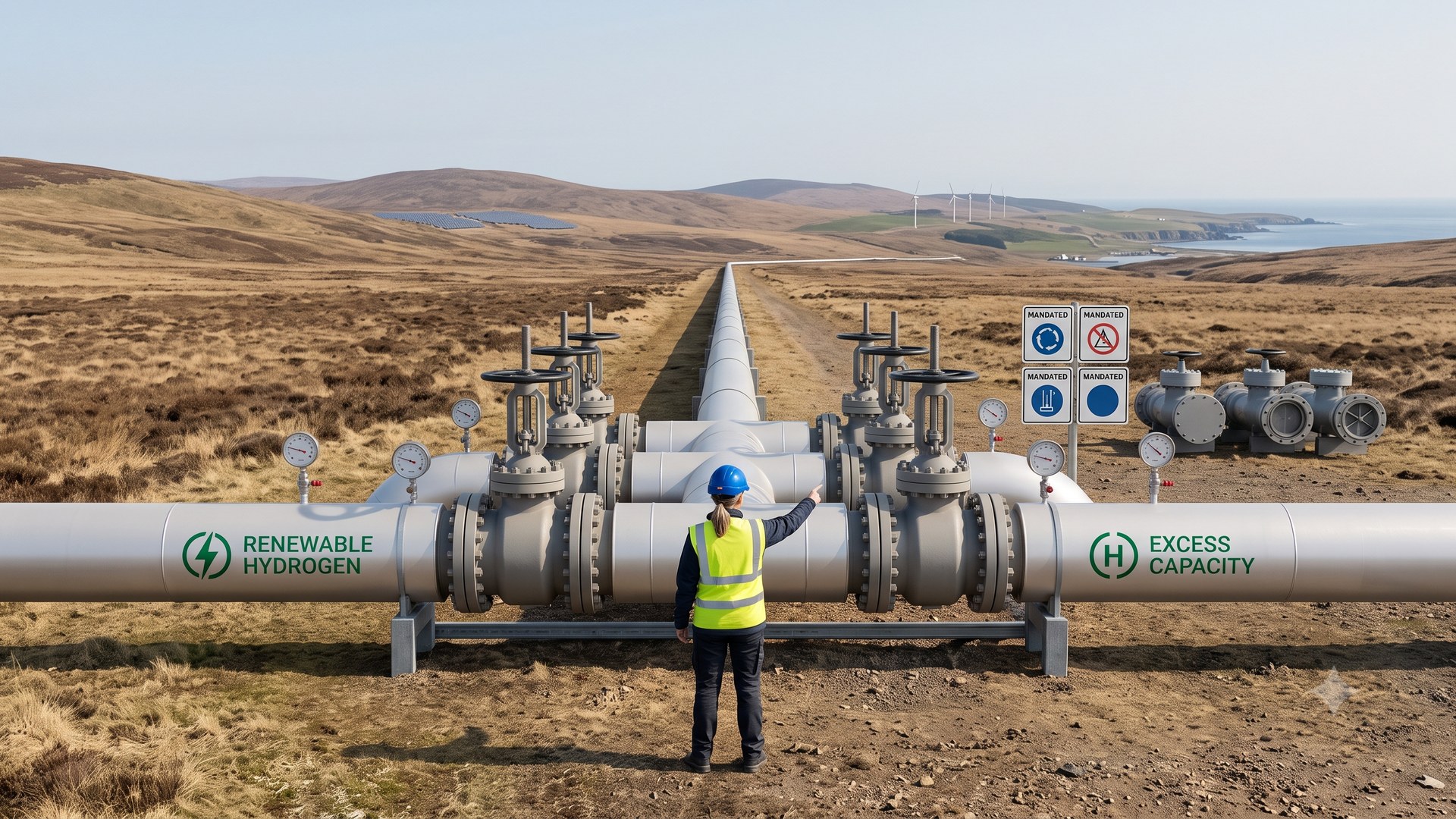
Europe has lined up more renewable hydrogen than its own rules will oblige anyone to buy. The projects that survive to 2030 will be the ones chained to demand that is already mandated, not merely hoped for.
Banks have stopped bankrolling merchant renewables, and the humble power-purchase agreement is quietly becoming the instrument that decides which projects get built.
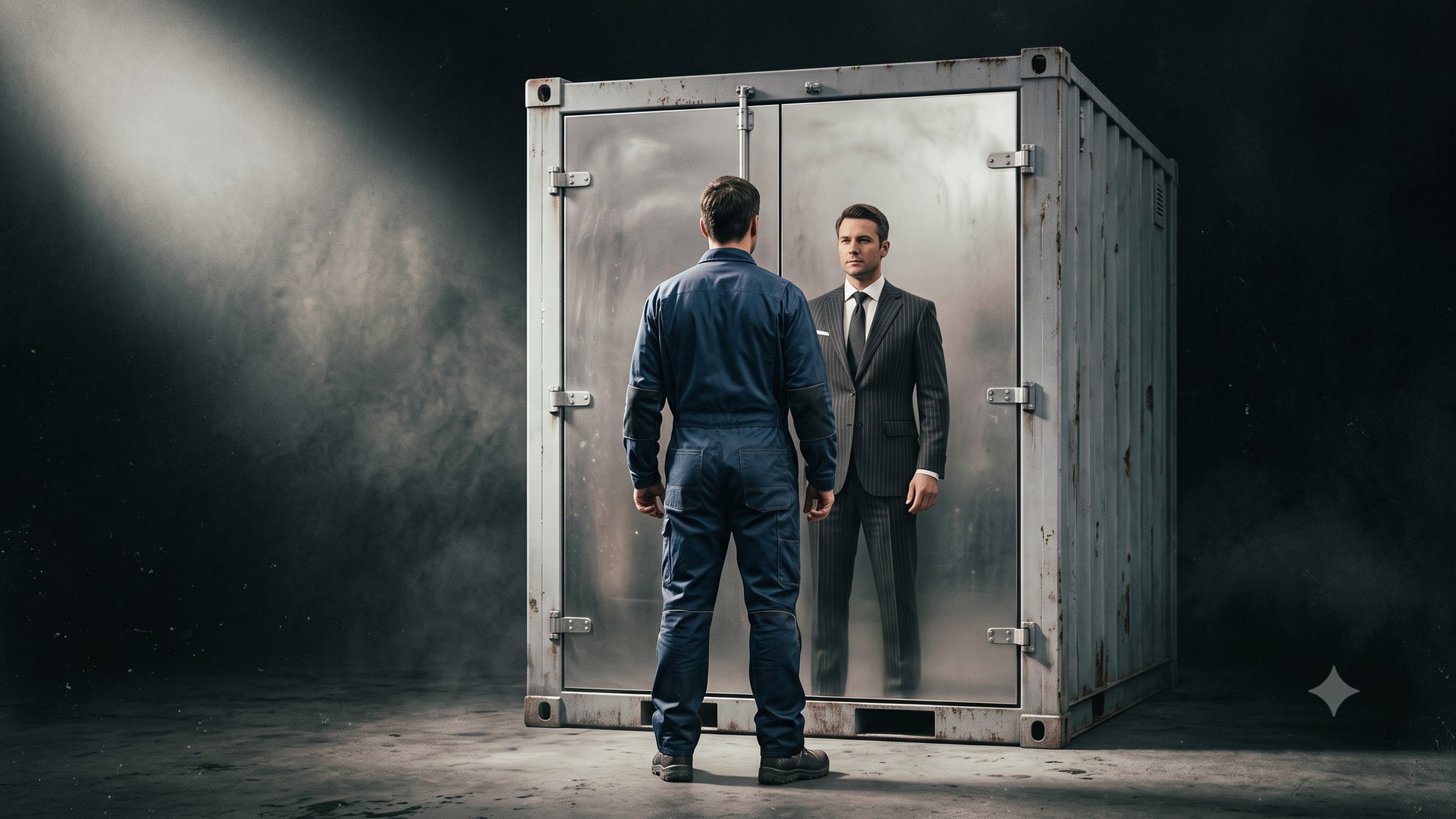
Half of Europe's coming battery fleet is too small for project finance and too big for an owner's chequebook. The companies that build and run the batteries are quietly filling the gap.
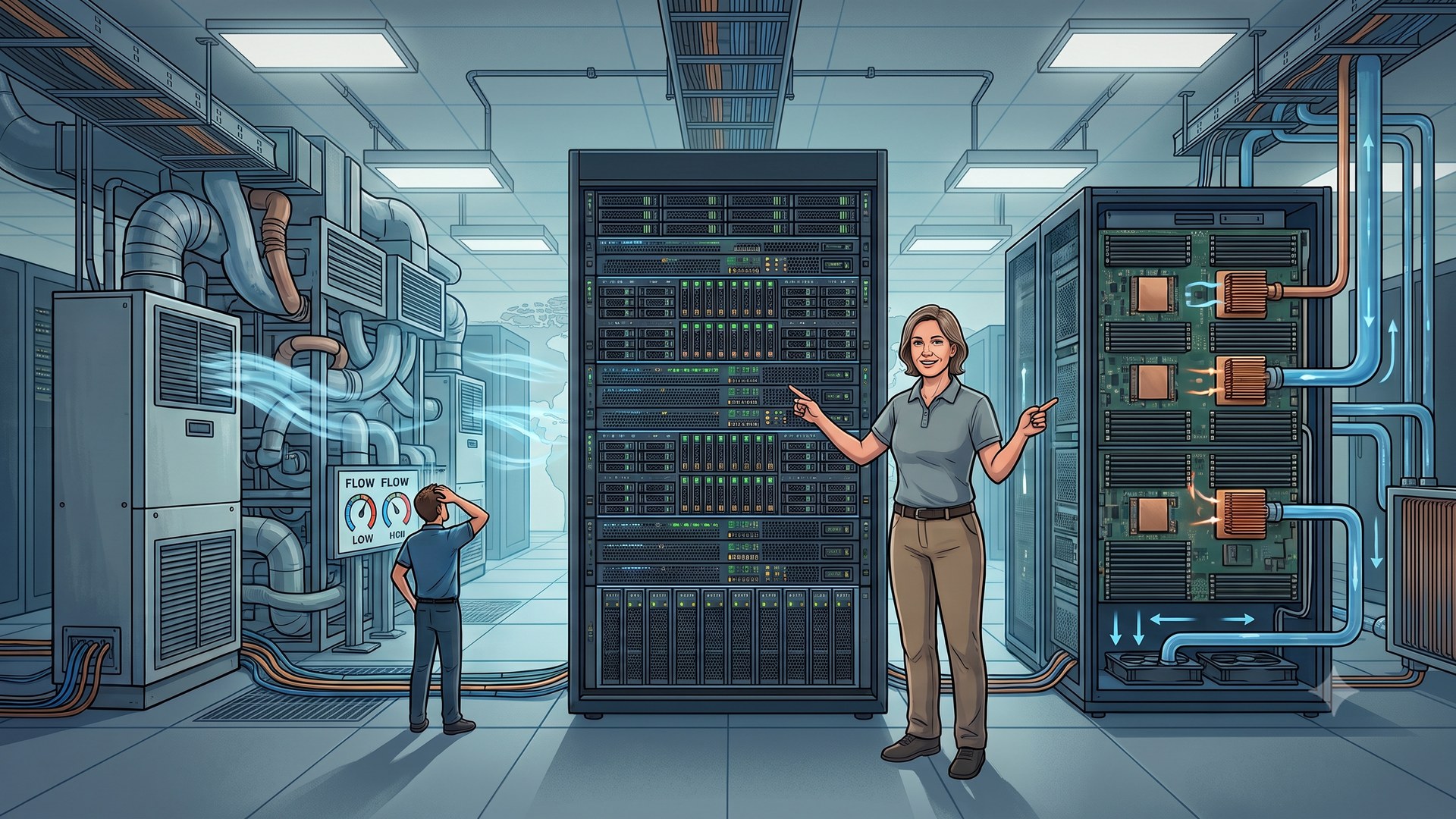
NVIDIA's monster racks are breaking the old economics of data-centre air conditioning. A Vertiv engineer explains why the cheapest way to cool a server is to stop trying so hard.
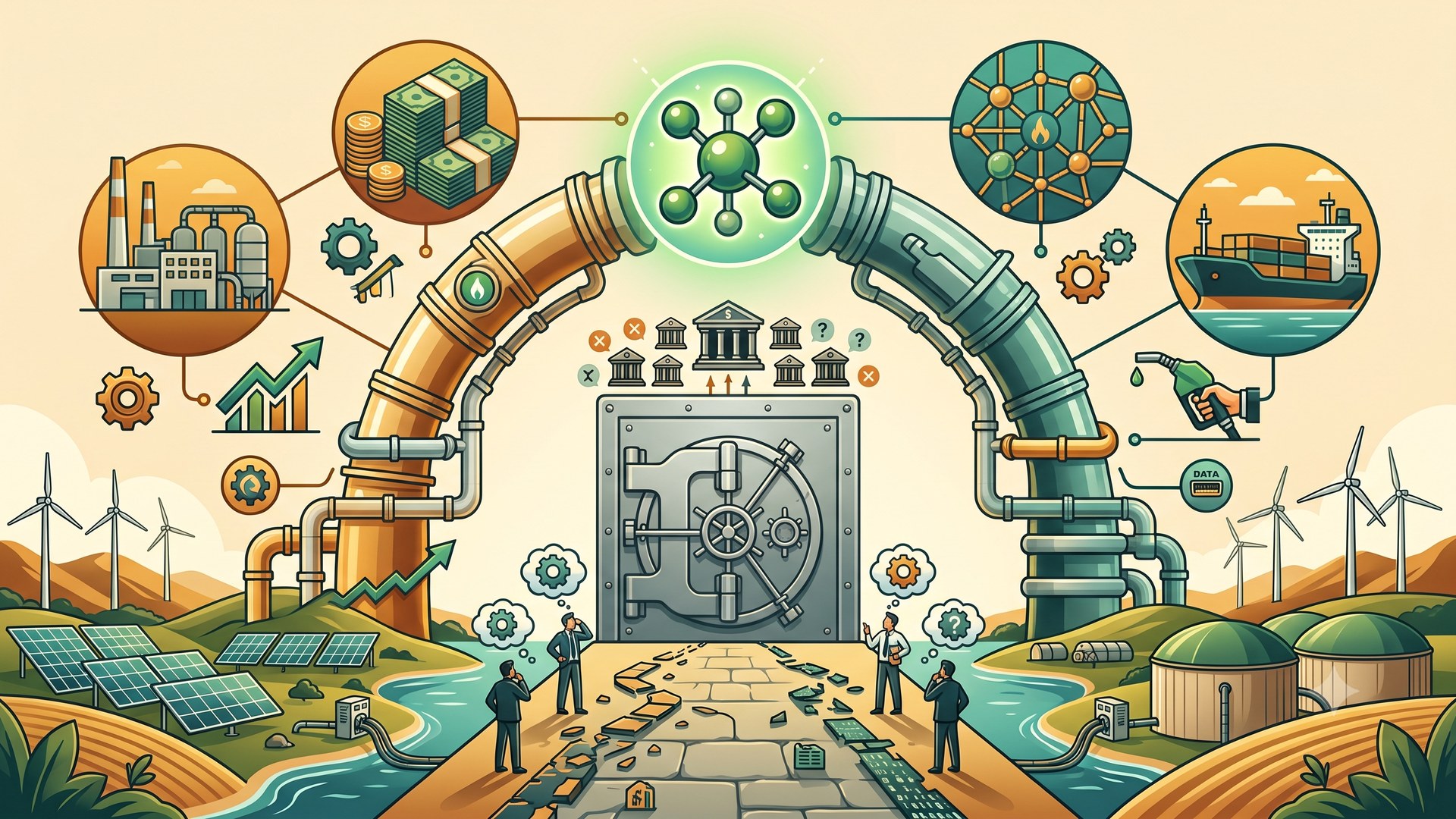
Spain has the gas and the buyers for biomethane. What it lacks is a price the banks can see.
A storage auction and a pricing platform have turned Italy's renewables into a buyer's market. The question is who cashes in.
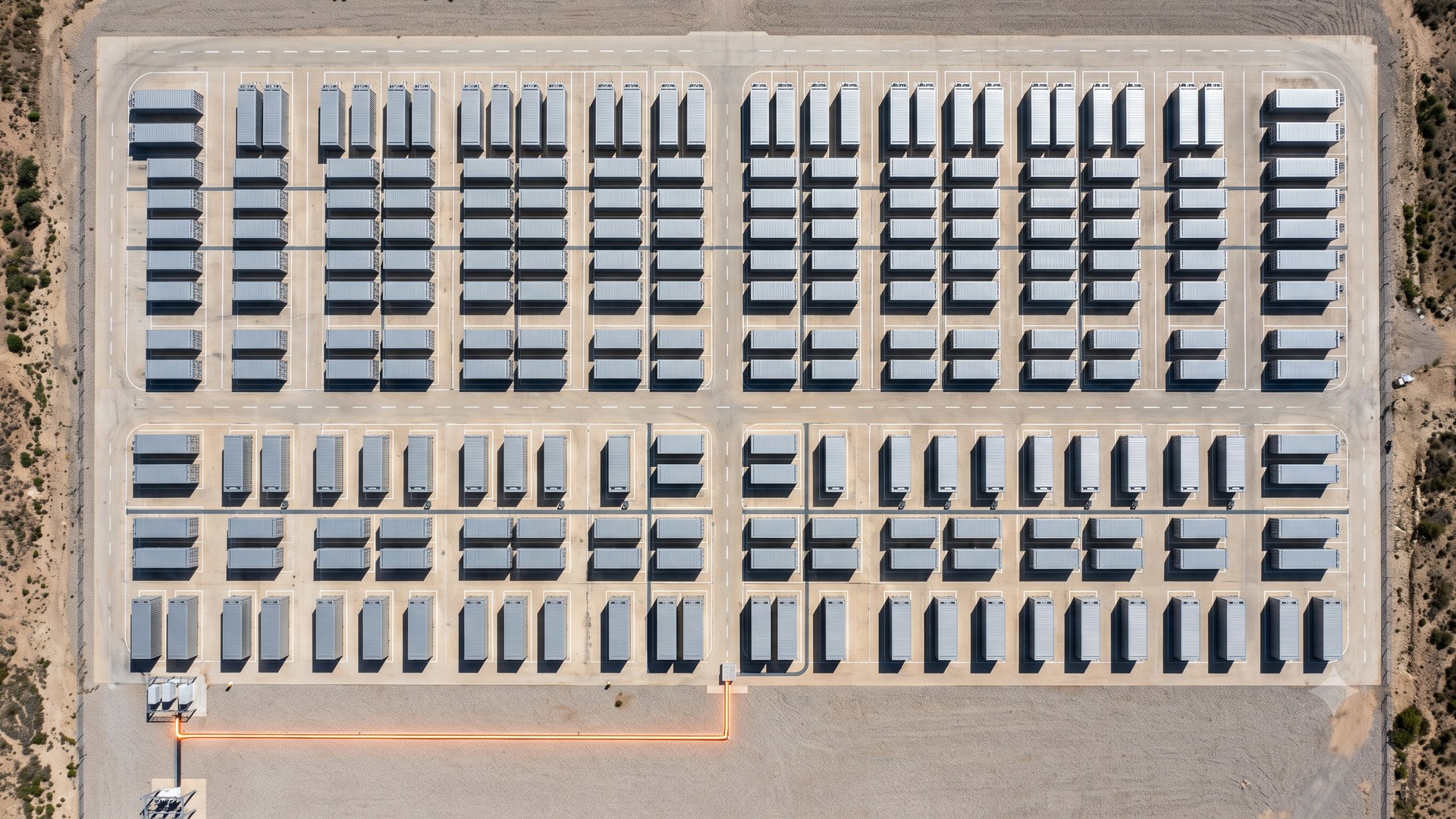
Spain has 35 gigawatts of batteries queuing for the grid and almost none plugged in. Two new money pipes — a tertiary-reserve product for demand, and a capacity market a decade in the making — are quietly changing the maths.
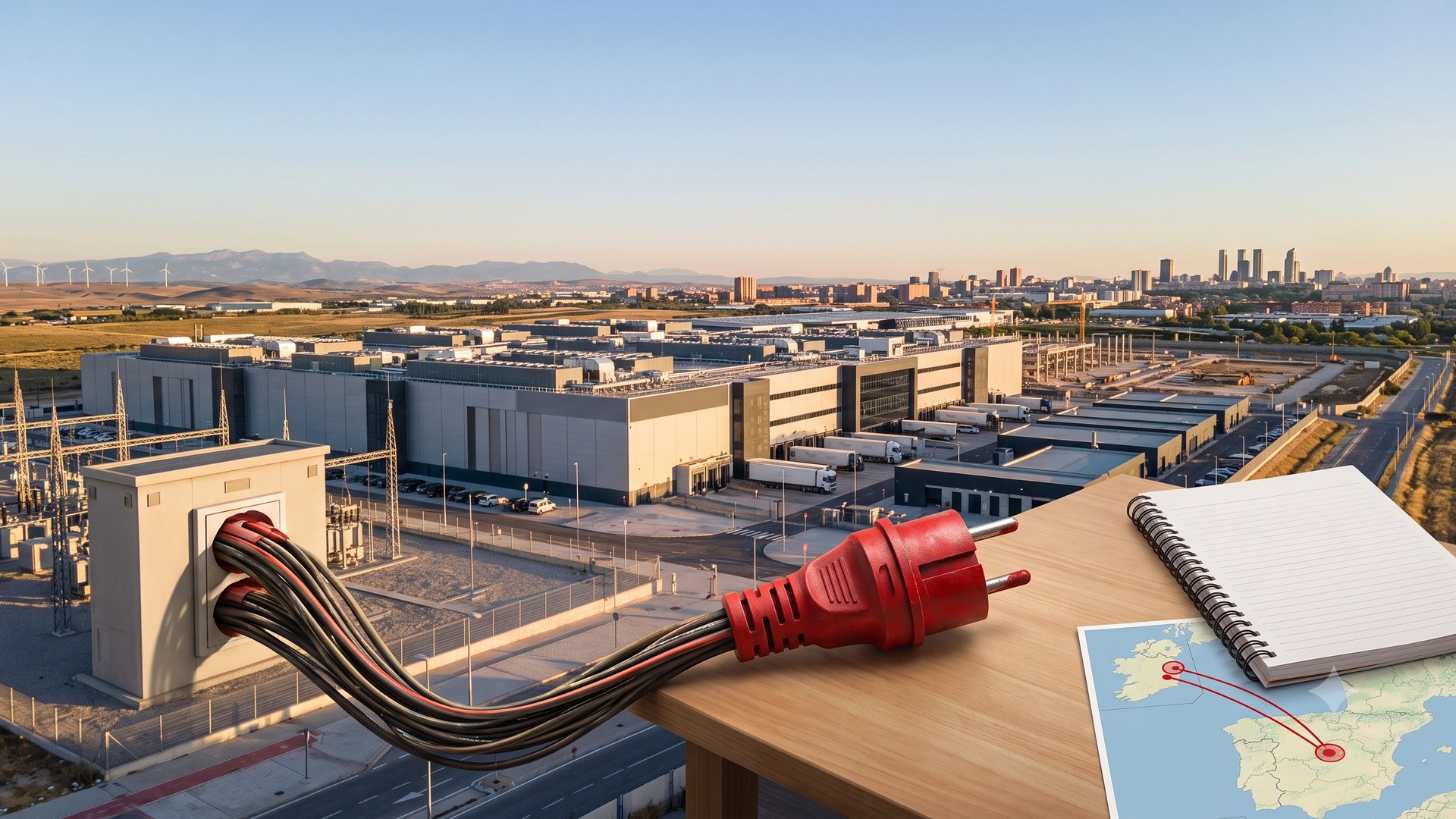
Dublin let its data centres sprint ahead of its grid, and ended up freezing new connections. As Madrid's network fills up, Spain is being handed the Irish playbook — this time with the mistakes already marked in red.
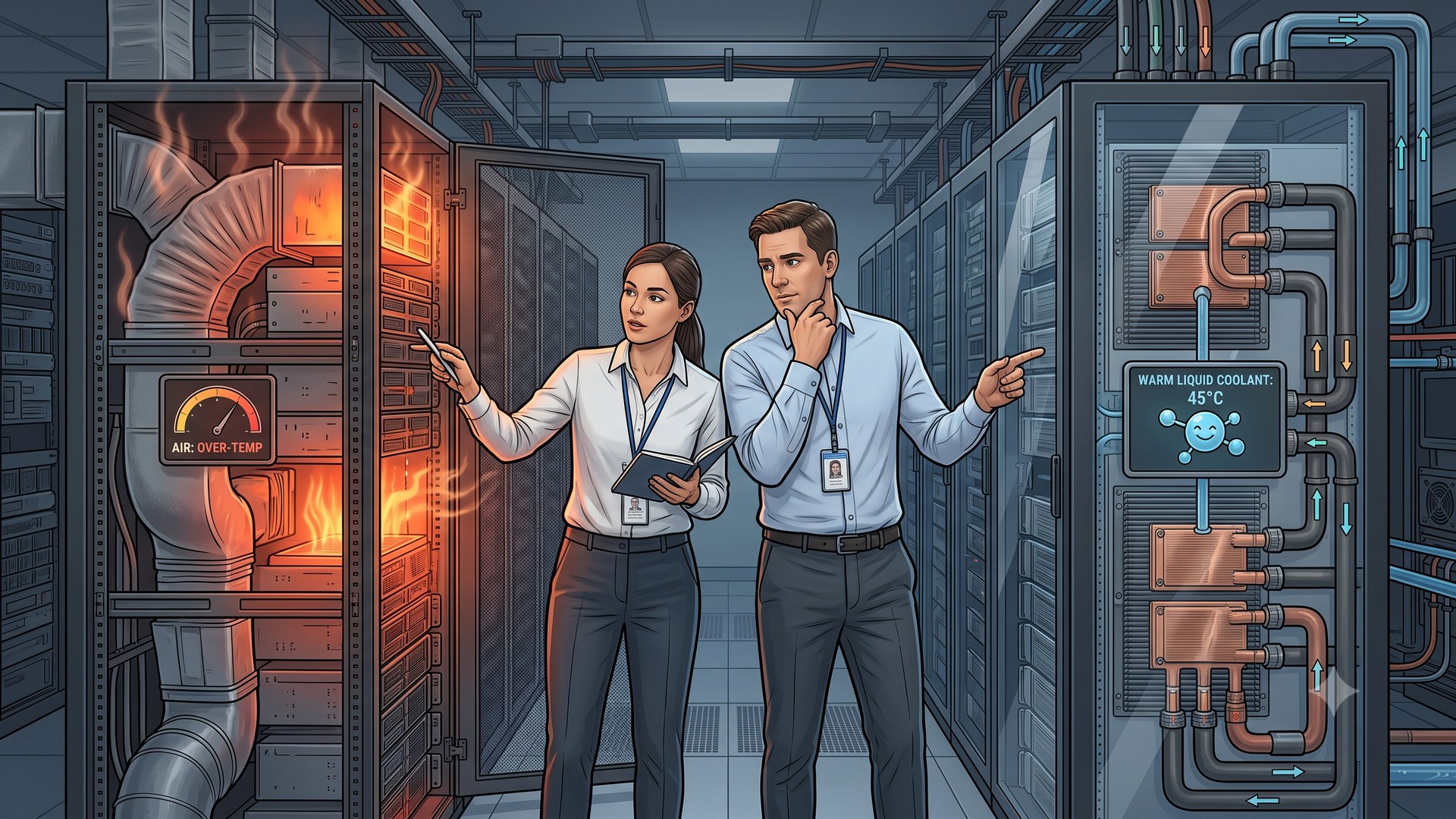
Artificial intelligence has made data-centre racks four times hotter in the space of a few years. Air cooling has quietly given up. Two engineers explain how the industry learned to stop worrying and love a warm liquid.

Spain's grid-capacity maps have gone from a scattered afterthought to a live, monthly intelligence feed. For anyone hunting a home for a data centre, learning to read them is now the difference between a permit and a forfeited deposit.
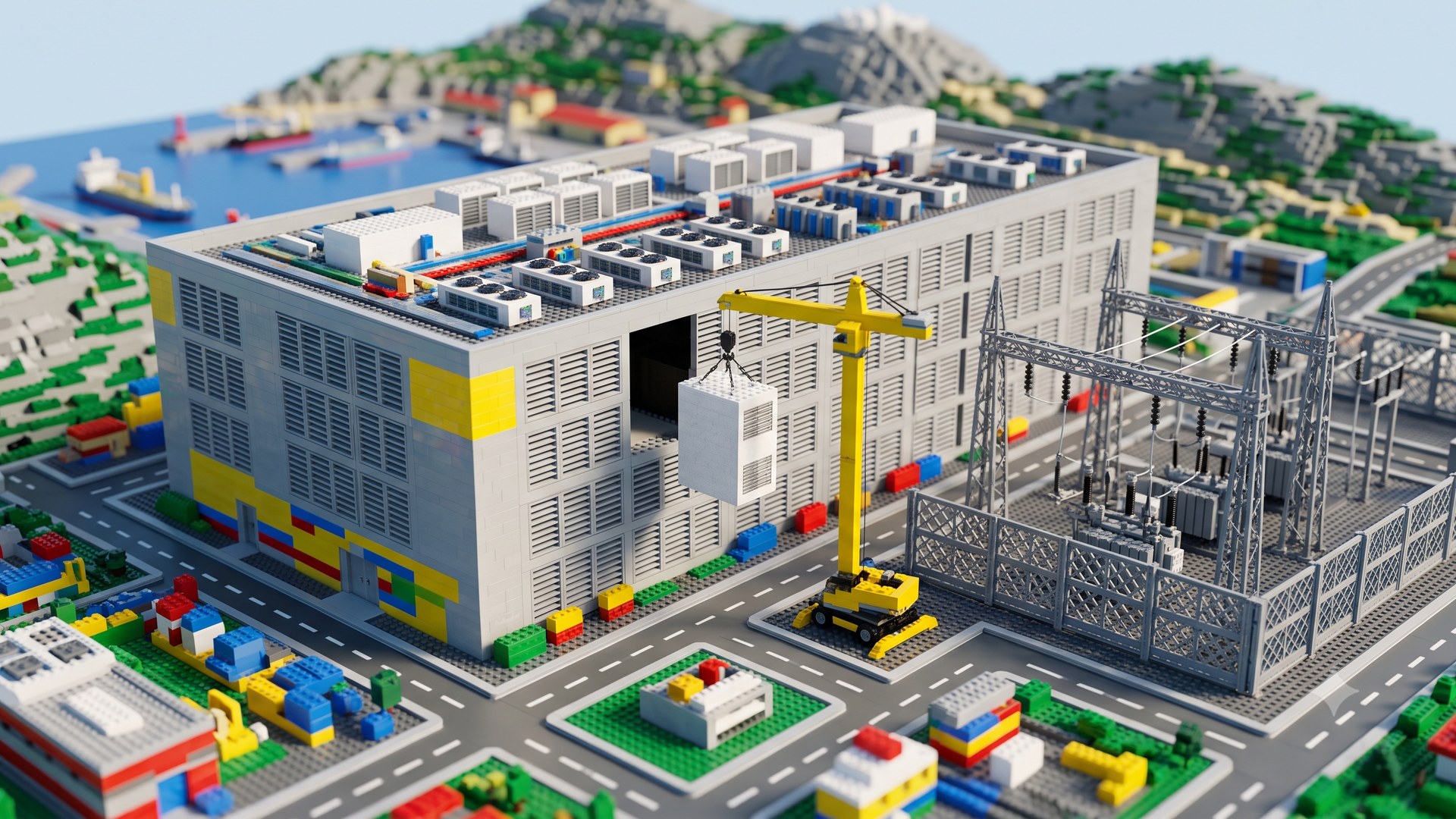
Artificial intelligence has turned the data centre into a moving target. The industry's answer is to stop pouring concrete and start clicking bricks together.
Spain has the land, the fibre and the sunshine to become Europe's next data-centre hub. What it does not have, right now, is a spare megawatt. A recent ATA Insights webinar mapped the permitting maze that stands between a developer and a working connection.
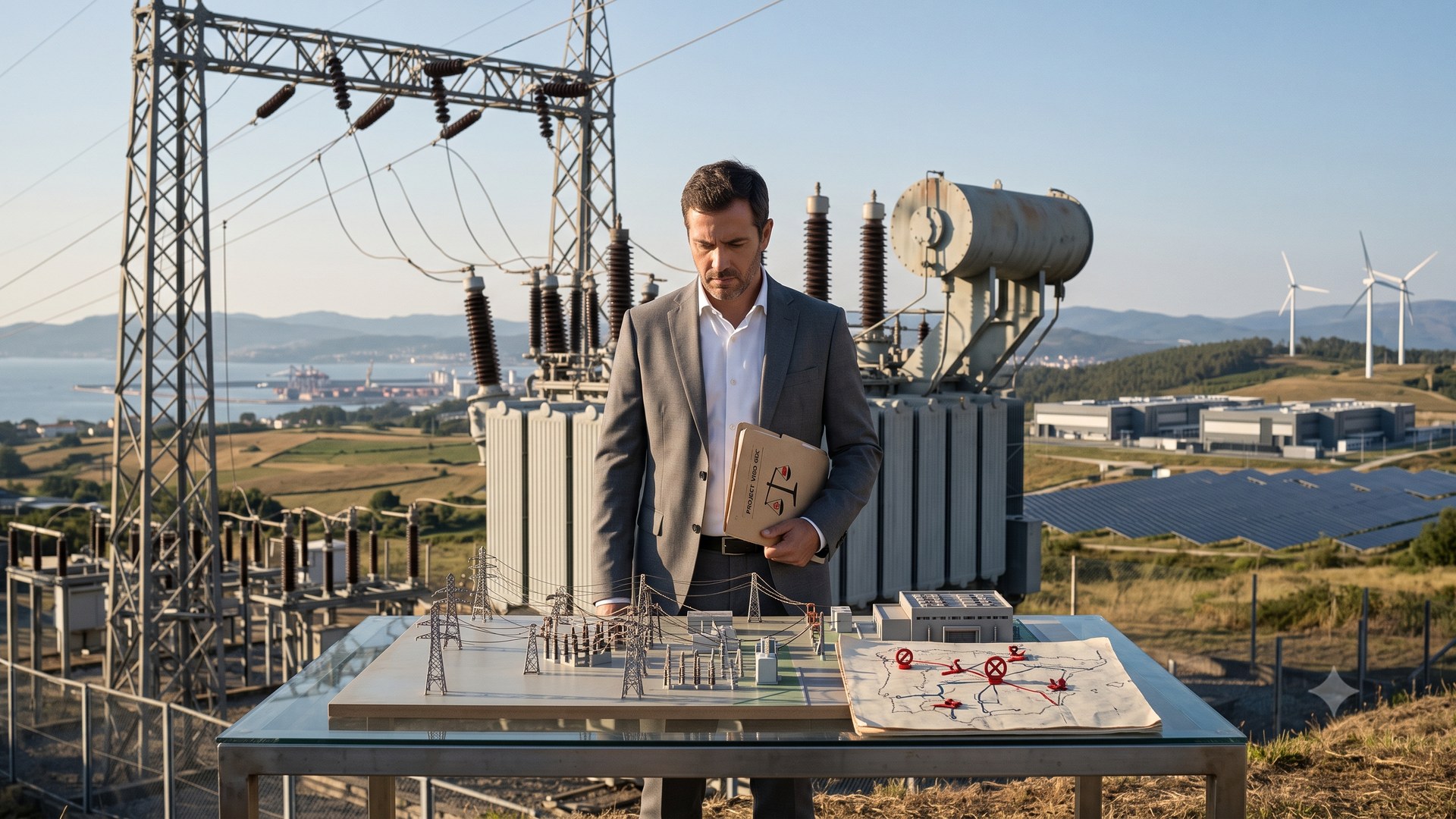
Spain wants to be Europe's next data-centre hub. But the way it now hands out scarce grid capacity quietly ranks data centres below almost everyone else. Here is how a developer plays a rigged rubric — and sometimes still wins.
Independent intelligence across five sectors, in English and Spanish. Join 86,000+ professionals.